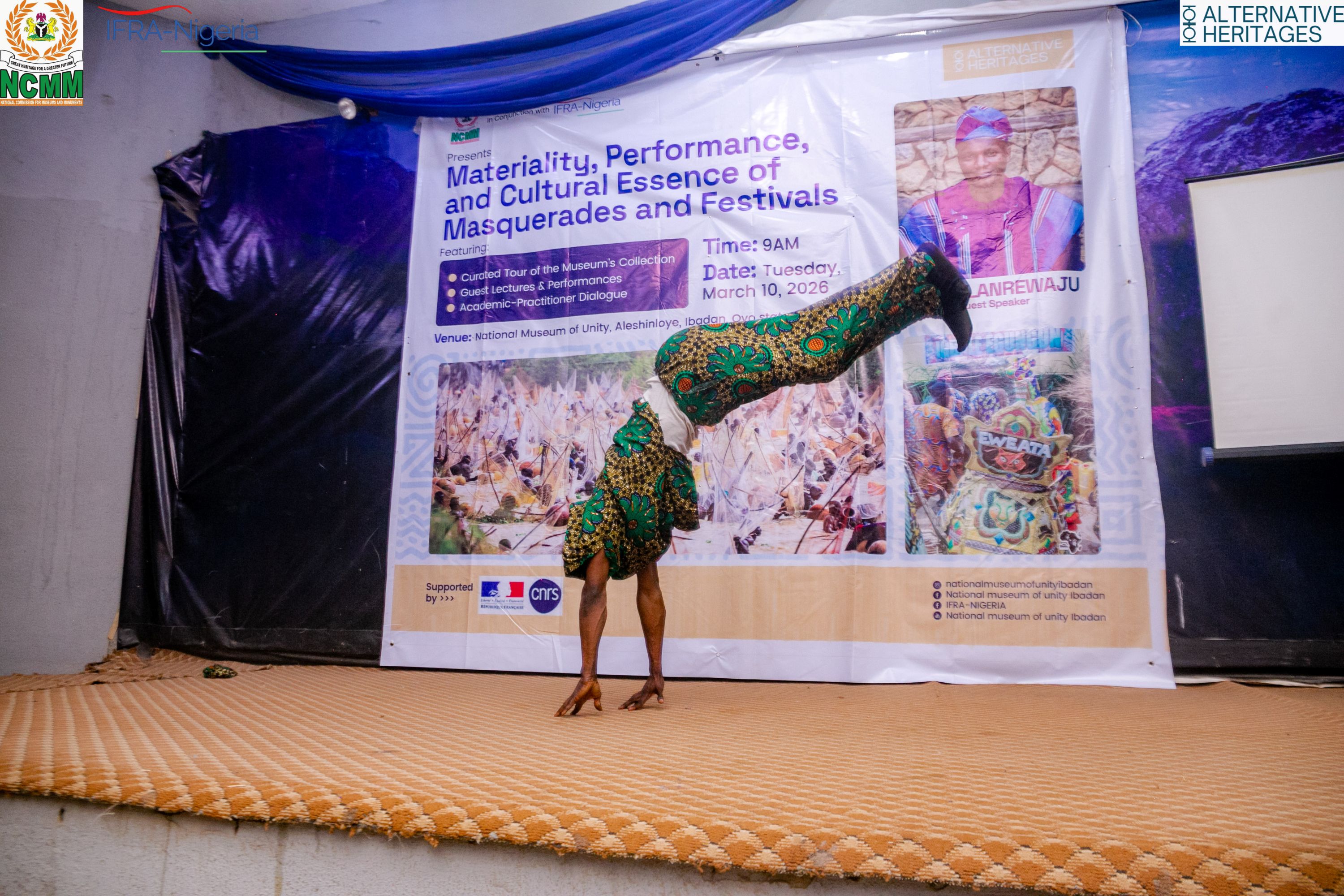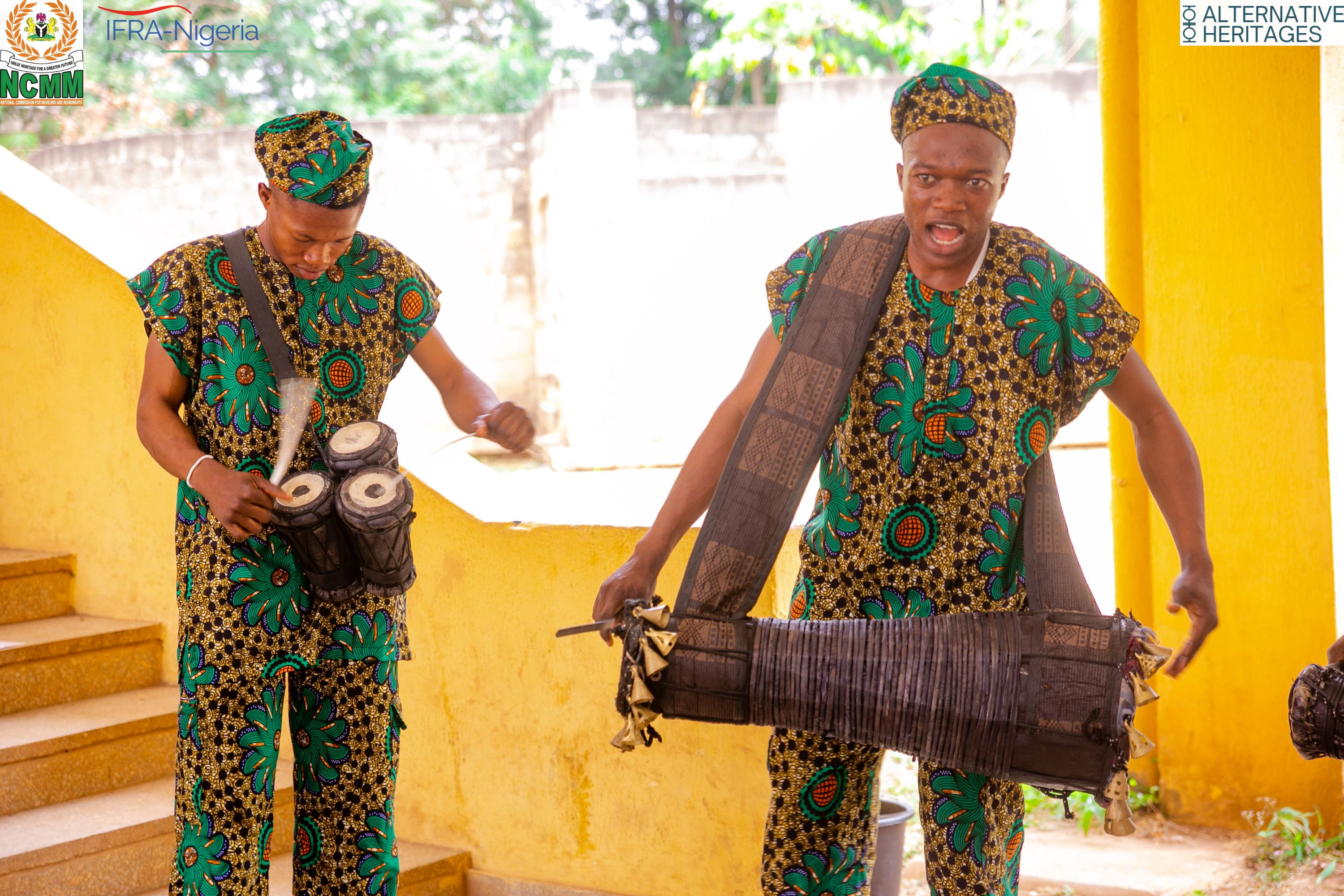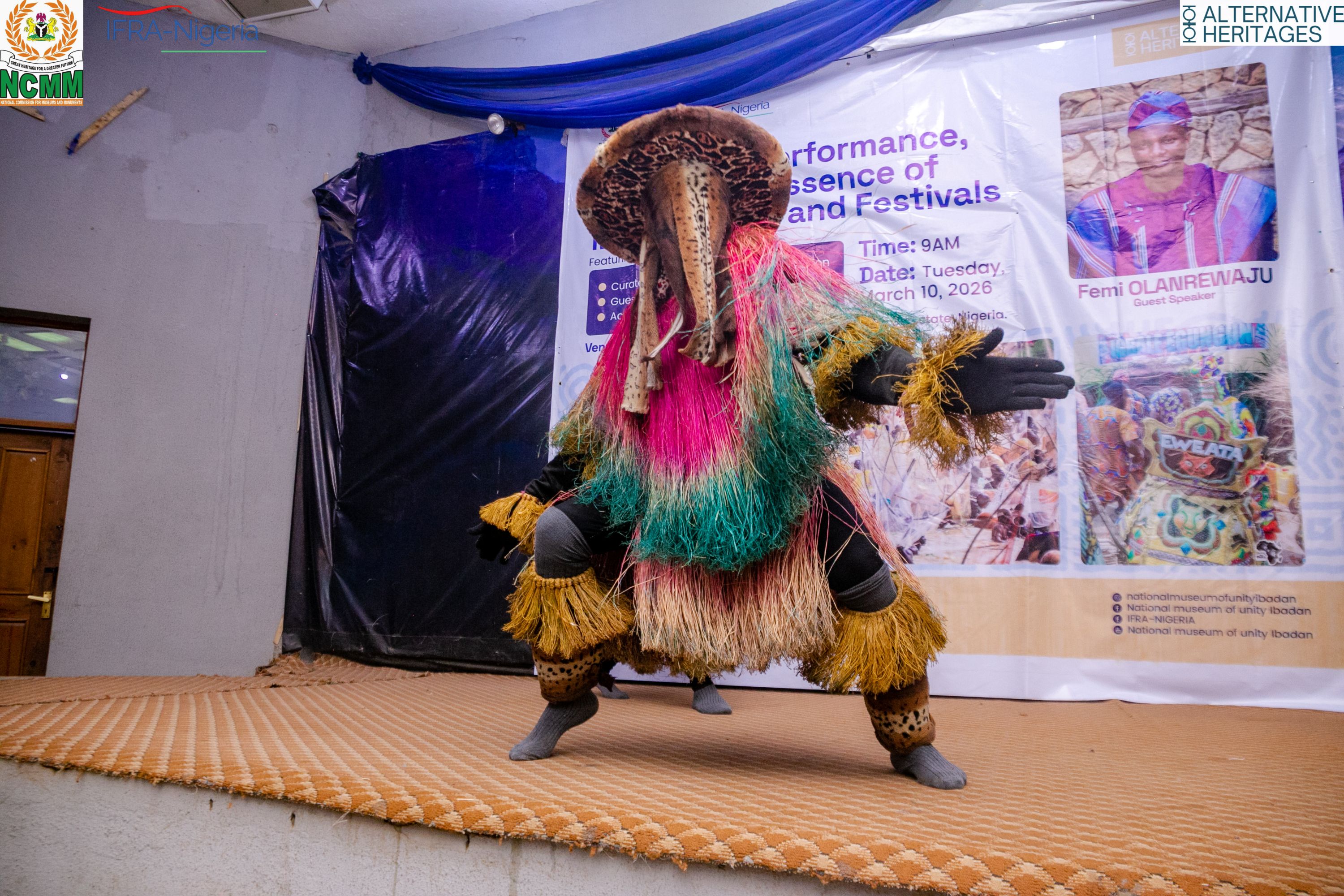
On 10 March 2026, the National Museum of Unity in Ibadan and IFRA-Nigeria hosted their latest event “Materiality, Performance, and Cultural Essence of Masquerades and Festivals” as part of the Nigerian Alternative Heritages project. It featured talks, performances and dialogue that centres on tangible and intangible of Nigerian cultures, fostering a deeper understanding of their significance and impact. There were over 140 people in attendance, including about 70 students and pupils.
The day began with an academic presentation by Mr Femi Olanrewaju, a multidisciplinary professional specialising in cultural heritage preservation, where he insisted on the idea that festivals need to be practiced to be preserved.
Next, Mr Thompson Emem, a heritage officer at the National Museum of Unity, gave a talk on the Ekpe Festivals of the Ibibio, Efik and Ijaga traditions, describing its garments and dances.
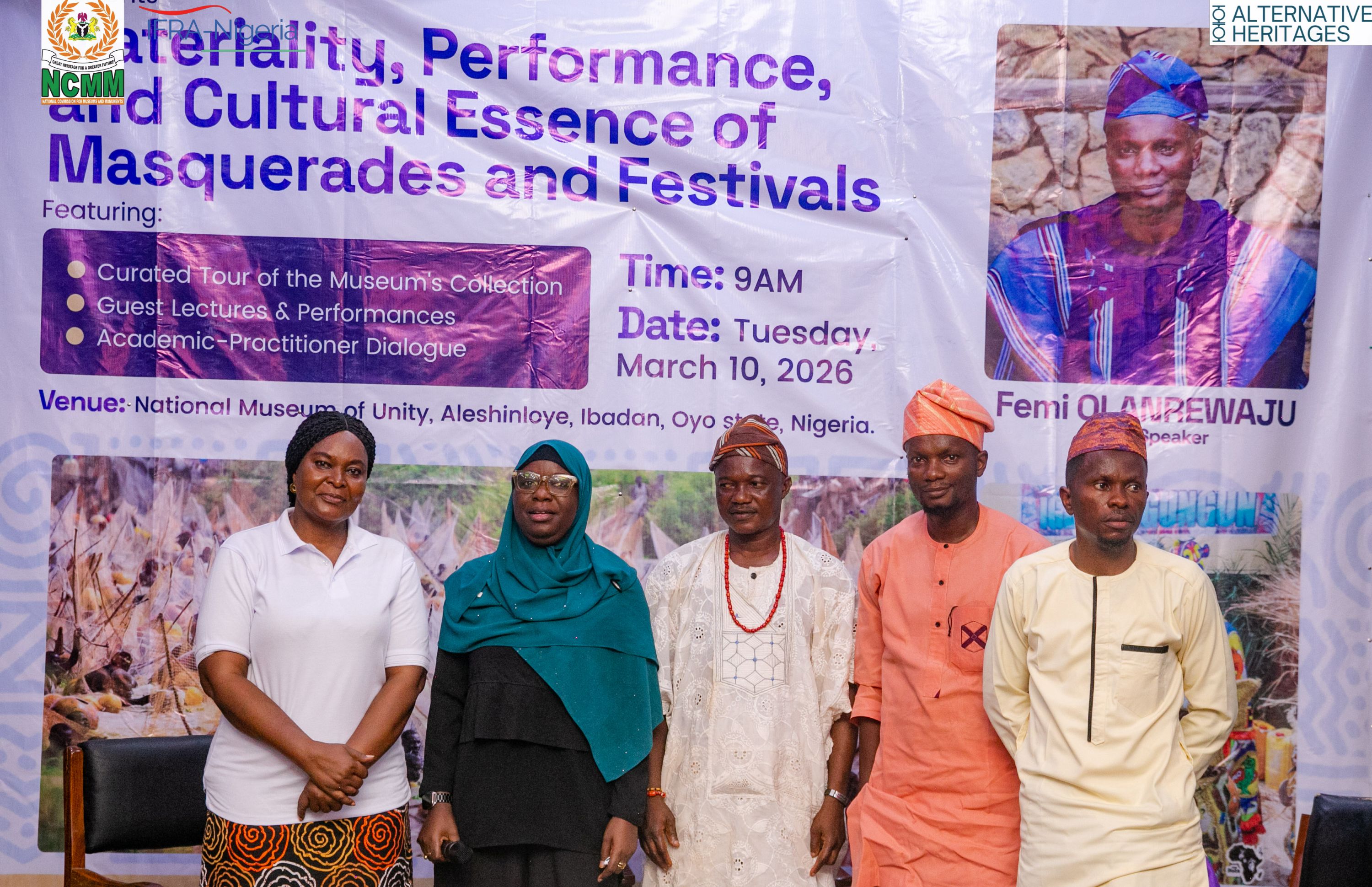
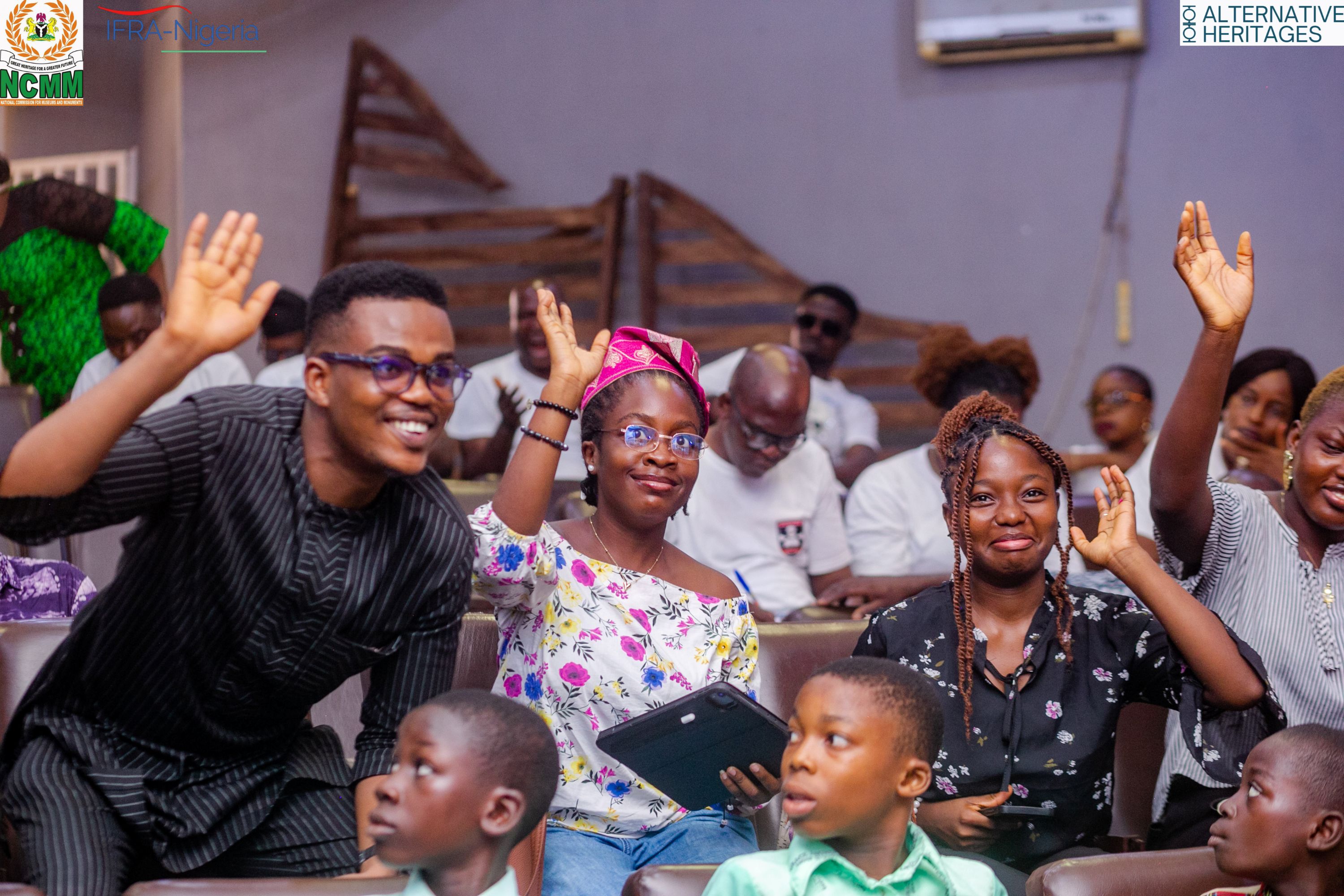
Ms Adéjọkẹ́ Rafiat Adétòrò moderated a dialogue session between two guest speakers and Mr Ojeleke Ayelabola, the custodian of the Egungun Ayelabola in Ibadan. It concluded with an engaging interactive session with the audience, which highlighted the various subjects that shape the cultural practice and heritage of masquerades and festivals, including naming, religion, performances, dress and dressing, history, spatial consideration, and preservation.
Performances punctuated the event, adding nuances and liveliness to the conversations. They showcased masquerade performances such as that of Eyo and Igunuko, and various festival dances of the southeastern and south-south people of Nigeria. The performances were curated by Mr Ola Rotimi Ojo (FTA), with performers from the National Association of Nigerian Theatre Arts Practitioners / Guild of Nigerian Dance Practitioners (NANTAP/GNOD). Members of the Egungun Ayelabola family also displayed of their family’s Egungun through costume, songs, dance, and acrobatics.
Through its varied activities, the event exhibited the layered and intricate nature of masquerades and festivals by highlighting how physical objects, performances, and cultural contexts interact to create a living expression of heritage.