On 29 April 2026, IFRA-Nigeria, in collaboration with the National Museum of Unity in Ibadan, hosted a week-long exhibition, guest lecture, and hands-on workshop. The event focused on the theme "Arts of Fashion and Textile Heritage" and aimed to highlight the cultural significance of Nigerian textile traditions as vital components of heritage and identity. This programme was part of the Nigerian Alternative Heritages project, supported by funding from the French Embassy. A total of 124 participants attended, including 58 students and 66 others.
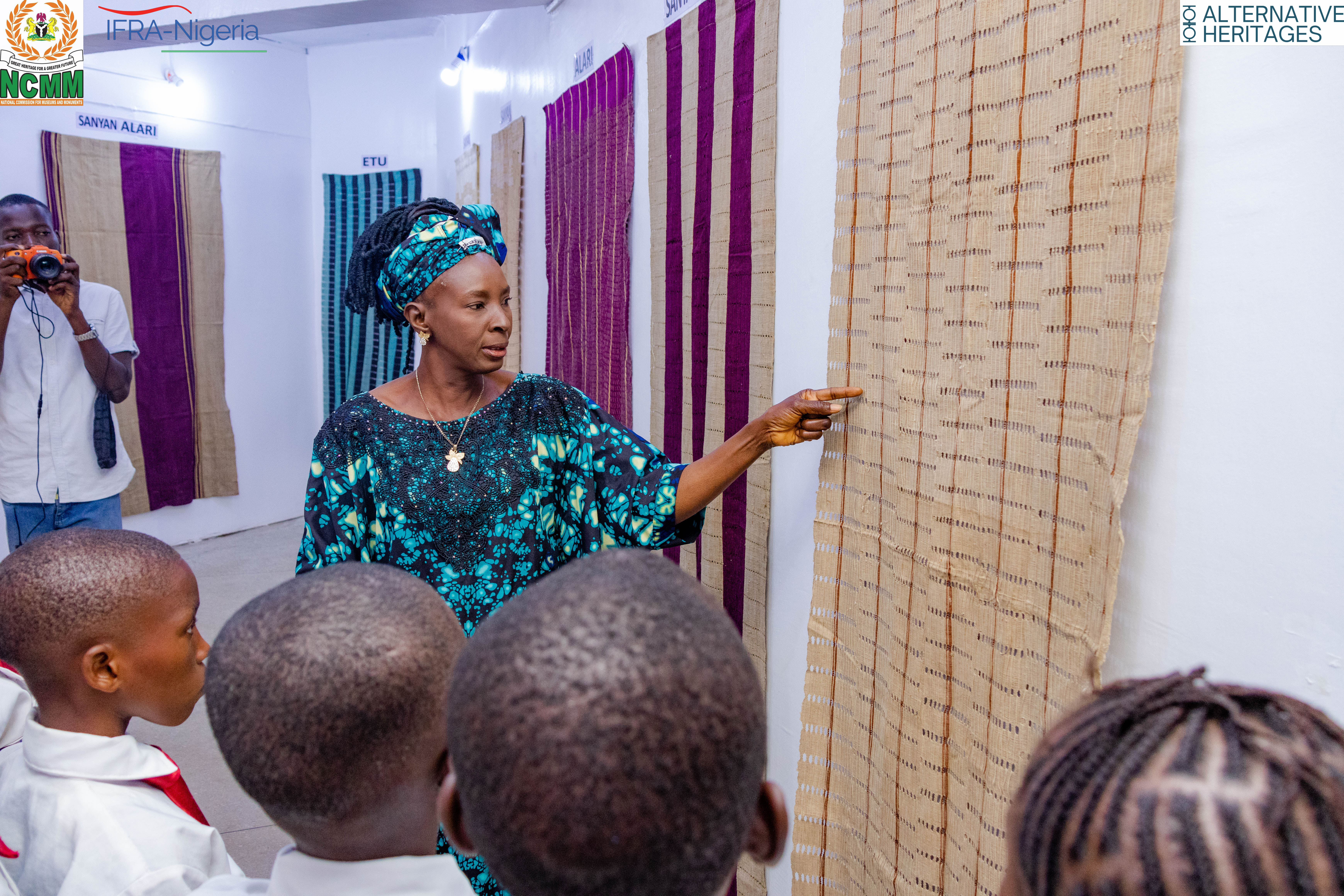
The exhibition showcased carefully selected pieces, including fabrics such as Sanyan, Alaari, and Etu from the "Five Decades of Aso-Oke Collection" by Professor Felicia Adetowun Ogunsheye at the museum. The display also featured textile items created through crocheting, knitting, and embroidery, as well as works combining multiple textile art techniques on Aso-Ofi.
You can watch highlights of the event on our Youtube channel: https://www.youtube.com/watch?v=NgOKKhEMwMo
Dr Oluwadara A. Fakunle from the University of Osun State, Department of History, delivered the guest lecture titled "The Nigerian Dress as a Piece of Art." In her presentation, she explored the connection between dress, art, and identity in Nigerian society. Dr Fakunle explained that clothing in Nigeria serves not just as a bodily covering but as a form of artistic expression, communication, and cultural identification.
She emphasised that traditional textiles like Aṣọ-Òkè and Àdìrẹ embody indigenous knowledge systems, weaving techniques, colour symbolism, and artistic creativity passed down through generations. According to her, dress in Nigerian culture often conveys ethnicity, social class, status, and gender, making it a powerful cultural language and visible marker of identity.
Dr Fakunle also addressed contemporary challenges to Nigerian textile heritage, including globalisation, industrialisation, imported fabrics, and declining interest in traditional textile skills among younger generations. She stressed the need for preservation efforts through research, exhibitions, documentation, and education.
The question-and-answer session that followed the lecture sparked meaningful discussions about the role of traditional dress in modern Nigerian society. Moderated by Ms Adejoke Rafiat Adetoro, the project coordinator, the session included input from students and other participants. One primary school student asked whether students could wear traditional attire to school instead of standard uniforms. The academic facilitator responded that some schools have already begun incorporating traditional attire into dress codes on specific days, though not as everyday uniforms. She cited an example from Osun State where students wear standardised traditional outfits one day each week.
Another student inquired whether corporate organisations could replace Western-style formal wear with traditional attire. This question led to further discussion about the dominance of colonial dress norms in formal institutions and workplaces.
An older participant reinforced the facilitator's point about reclaiming indigenous dress practices. He shared that he wears traditional attire exclusively and believes it projects dignity, confidence, and cultural pride. He encouraged Nigerians to consciously move away from colonial influences, particularly in dress and appearance.
The discussion prompted participants to reflect on the relationship between fashion, identity, and cultural continuity. They considered how colonial history has shaped contemporary attitudes toward dress, especially the perception of Western clothing as more formal or professional than indigenous attire.
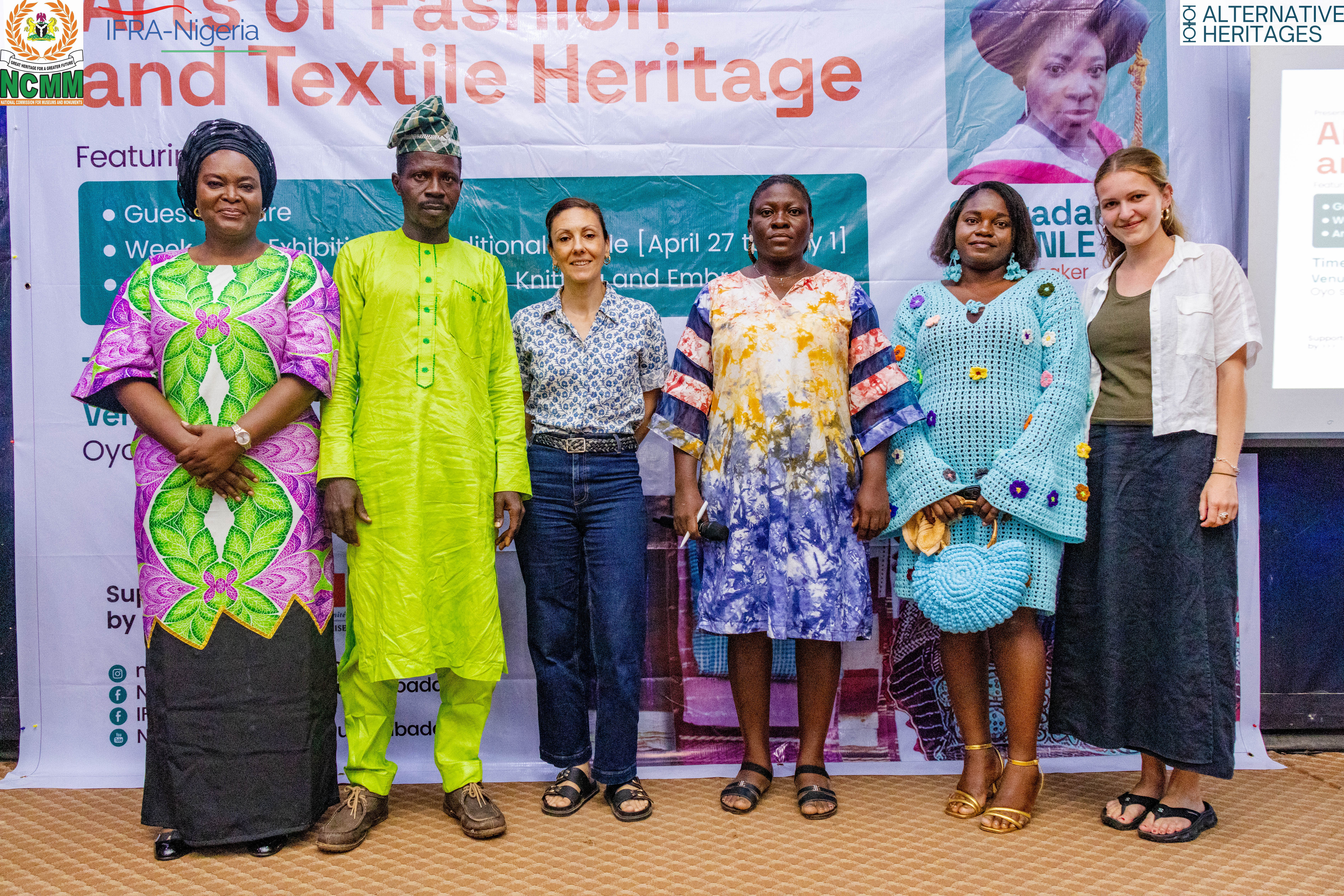
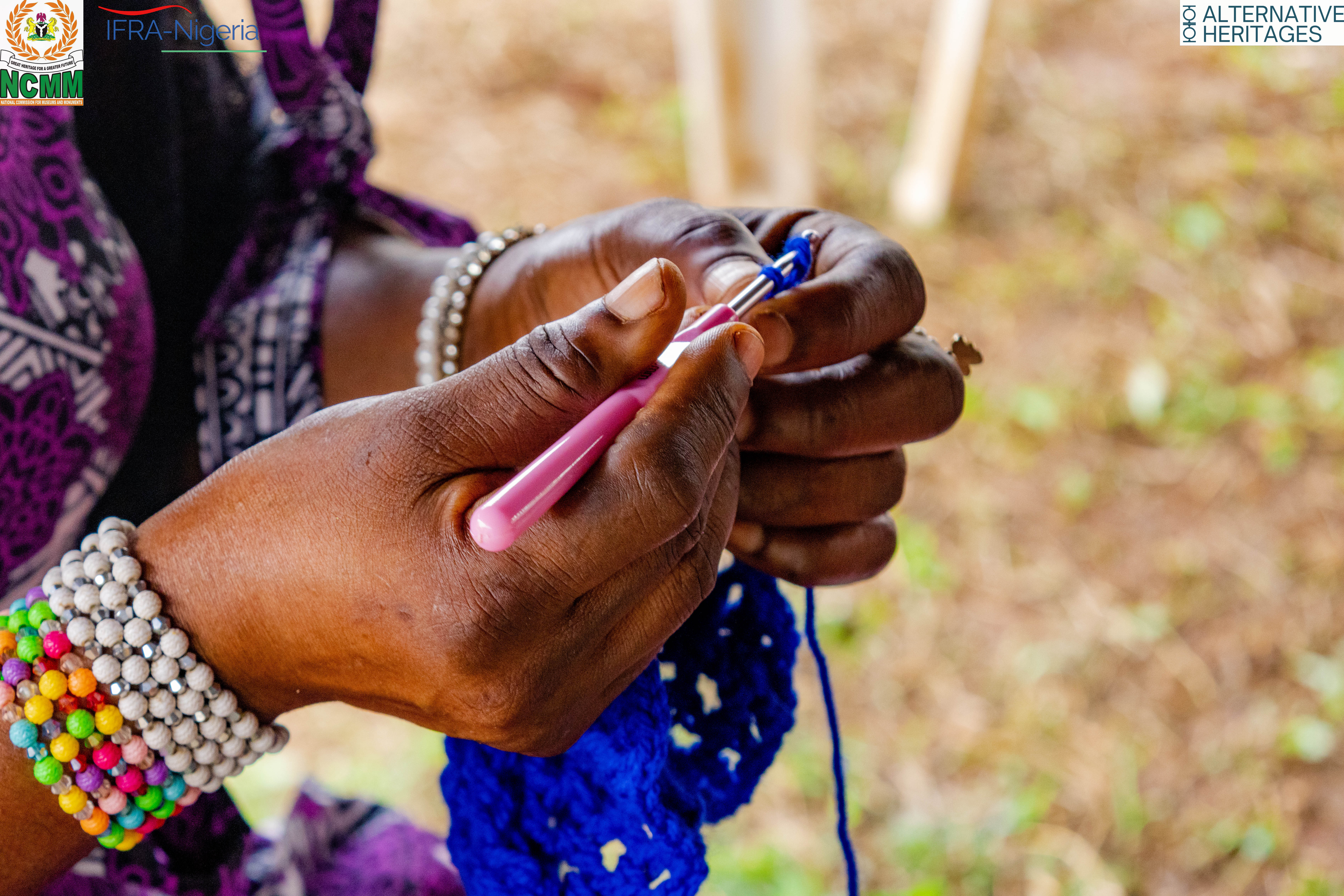
The programme also included practical sessions led by guest artisans, offering participants hands-on experience with textile-related skills. Mr Gafari Adeyemo introduced participants to embroidery techniques, demonstrating stitching methods and decorative applications in textile production. Mrs Oluwatoyin Alonge guided participants through crocheting and knitting, explaining the basic processes involved in creating handmade textile items.
These practical sessions allowed participants to actively engage with textile art practices while learning the value of skill development in preserving indigenous craft traditions. Students, teachers, and other attendees participated enthusiastically, reinforcing the project's goal of combining heritage education with practical knowledge transfer.
Overall, the programme provided an interactive and intellectually engaging environment for participants to explore Nigerian fashion and textile heritage as both artistic expression and cultural identity. Through the exhibition, lecture, discussions, and practical sessions, attendees gained a deeper appreciation for indigenous textile traditions and the importance of preserving them for future generations.