
On 21 May 2026, Dr Stefan Le Courant (IFRA-Nigeria and CNRS) held a methodological seminar on the topic “Mysterious absences: initial reflections from an ongoing study in Ivory Coast”, where he went over his current fieldwork. Though his work touches on migration, he takes an original approach by not focusing on the movement of population aspect. For example, previously in France, he studied migrants forced to hide from authorities because they are illegally present in the country. What interested him was the question of building identity when you have to hide who you are.
His new project, which takes place in Côte d’Ivoire and Nigeria, focuses on the people who disappeared, usually while attempting to migrate to North Africa or Europe. Specifically, he interrogates what is the impact of their absence, how the people left behind manage this in their daily life.
Before diving into this topic, Dr Le Courant defined a few key terms. In particular, he highlighted the difference between an absentee – whose location is known – and a missing person – whose whereabouts are unknown. His research interest lay in this second type of absence. Within this category, there are two kinds of disappearances: one during the migration process, and another from someone we know arrived at their destination.
Methodologically, this topic raises important questions: how can we study what is absent? How to conduct an ethnography of something that isn’t there anymore? Where can we conduct observations if there is no obvious physical place to go to?
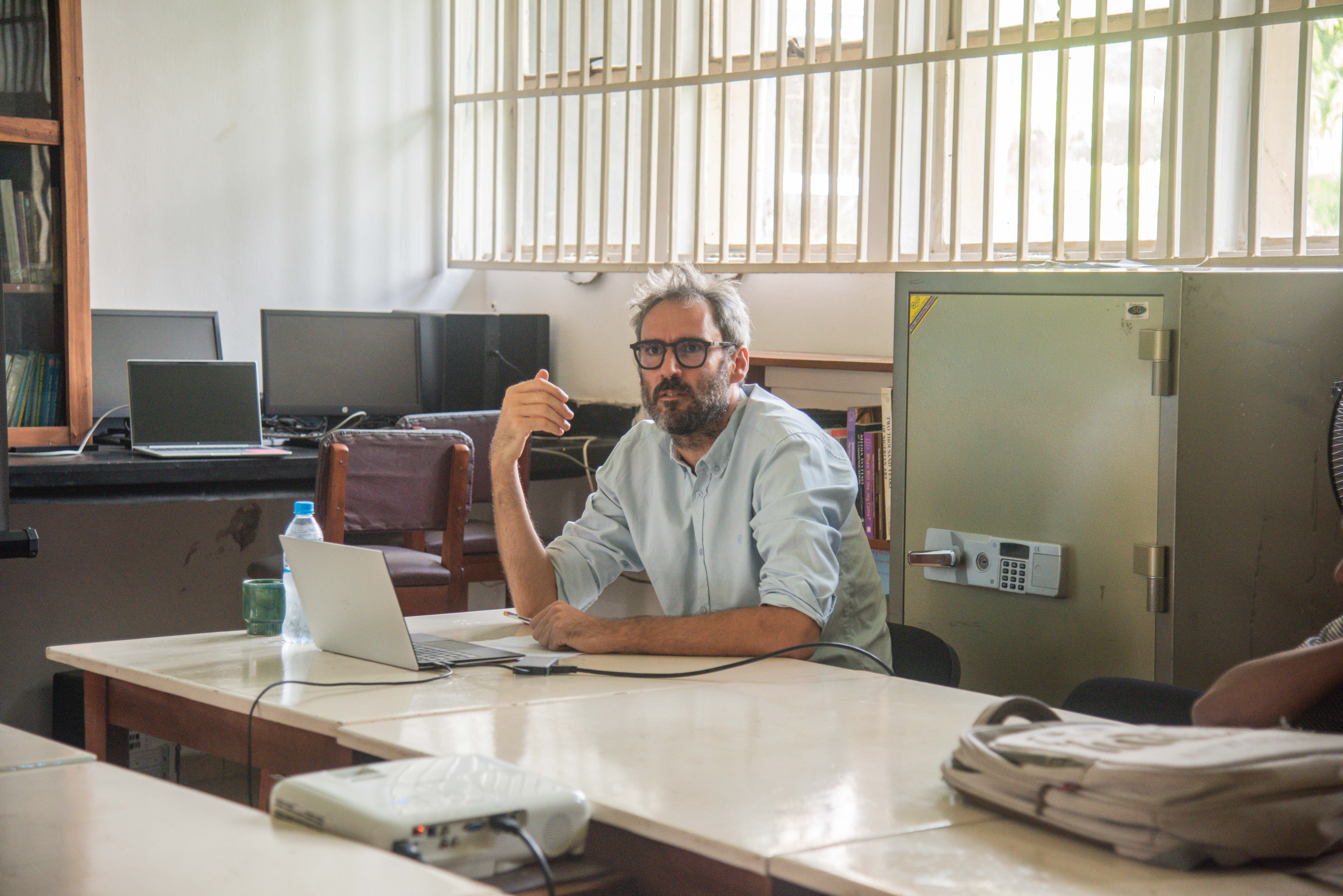
Dr Stefan Le Courant
He and his research partner chose to enter this topic through various entry points. First, they are conducting fieldwork in a neighborhood of Abidjan from which many people left. Every week, they come to a public gathering space, and work on building relationships with people to ensure there is trust before conducting interviews on their topic of interest. He pointed out that engaging in this method means being able to take your time, which isn’t always possible for researchers. Moreover, you usually depend on an intermediary, someone who will become the key to accessing the community.
Their second point of entry is the Ébrié village of Abidjan (known to be home of the “natives” of the city). Here their principal interlocutor is a chief and historian of the village. Finally, they also work with associations for missing people’s families.
In their different fieldworks, they look at the practices and the daily life of those living with someone’s absence. He focused in particular on funerals, in the change from absent to deceased. This questions what is the temporality of the decision, and the social dynamics between those refusing the funeral and those pushing for it. There are close relations between death, absence and mourning and their goal is to understand how they manifest in the diverse cultural contexts in Côte d’Ivoire and Nigeria.
Another aspect of their project focuses on narratives regarding disappearances. Indeed, they noticed that very often, when people talk of such situations, they tell stories that usually have a moral, akin to tales. It is necessary for their research to interrogate in what type of cultural narrative those disappearances take place.
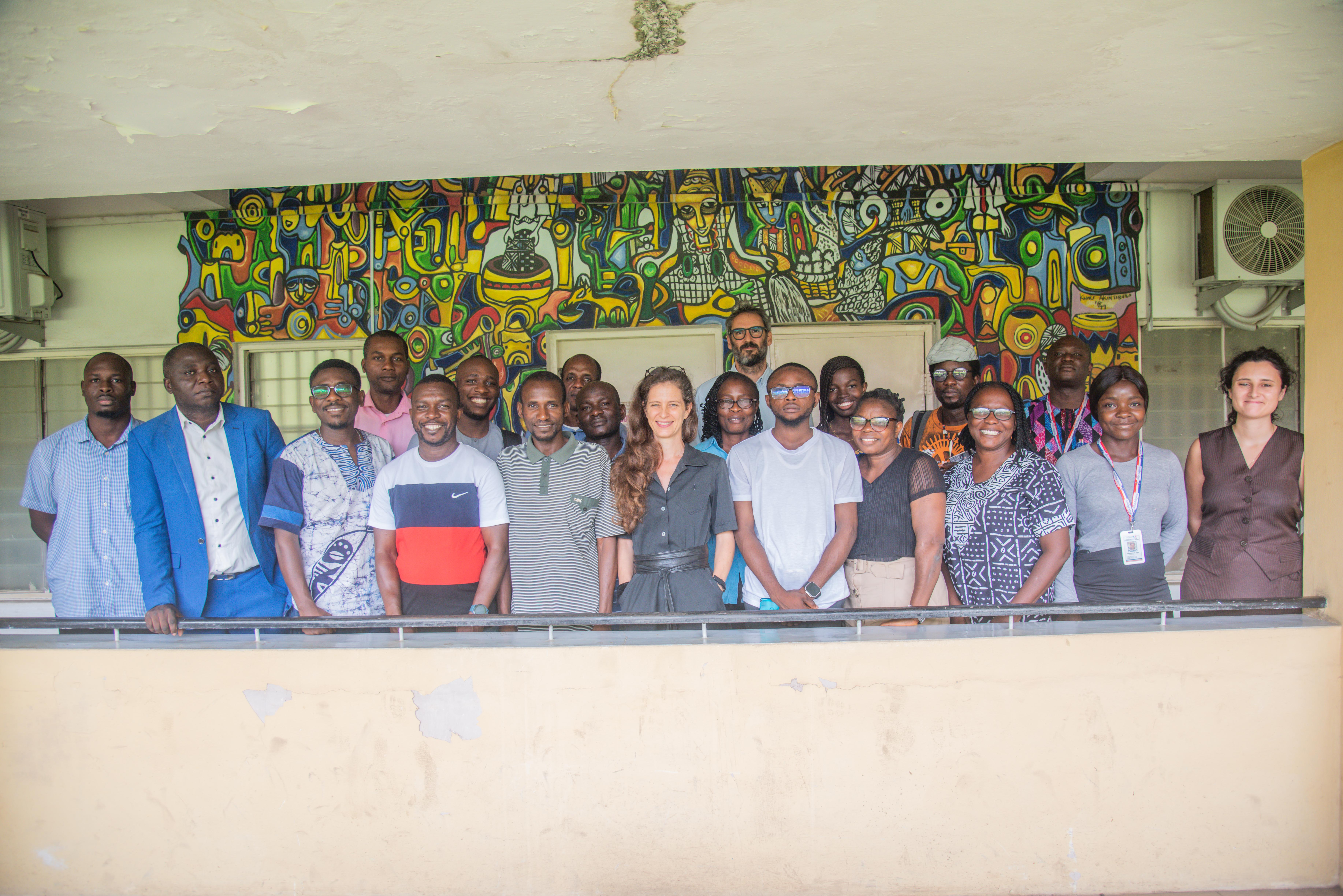
Participants to the seminar
In order to introduce this question, Dr Le Courant described a few themes they already took note of. First, mothers are often blamed for their sons’ disappearance, as it is assumed that they are the ones who pushed them to migrate as a way to compete with other women in their family. In contrast, very few explicitly criticize the role of the French or Ivorian governments.
The narratives around leaving are also gendered. For men who migrate, death at sea is something honorable, the result of a brave attempt to take care of their family. On the contrary, women who leave are seen as selfish, and resented for seemingly abandoning their family.
Dr Kudus Adebayo, (Institute of African Studies, University of Ibadan), was the discussant for this seminar. He offered some comments, including on the role of technology, before opening the conversation to all attendees.
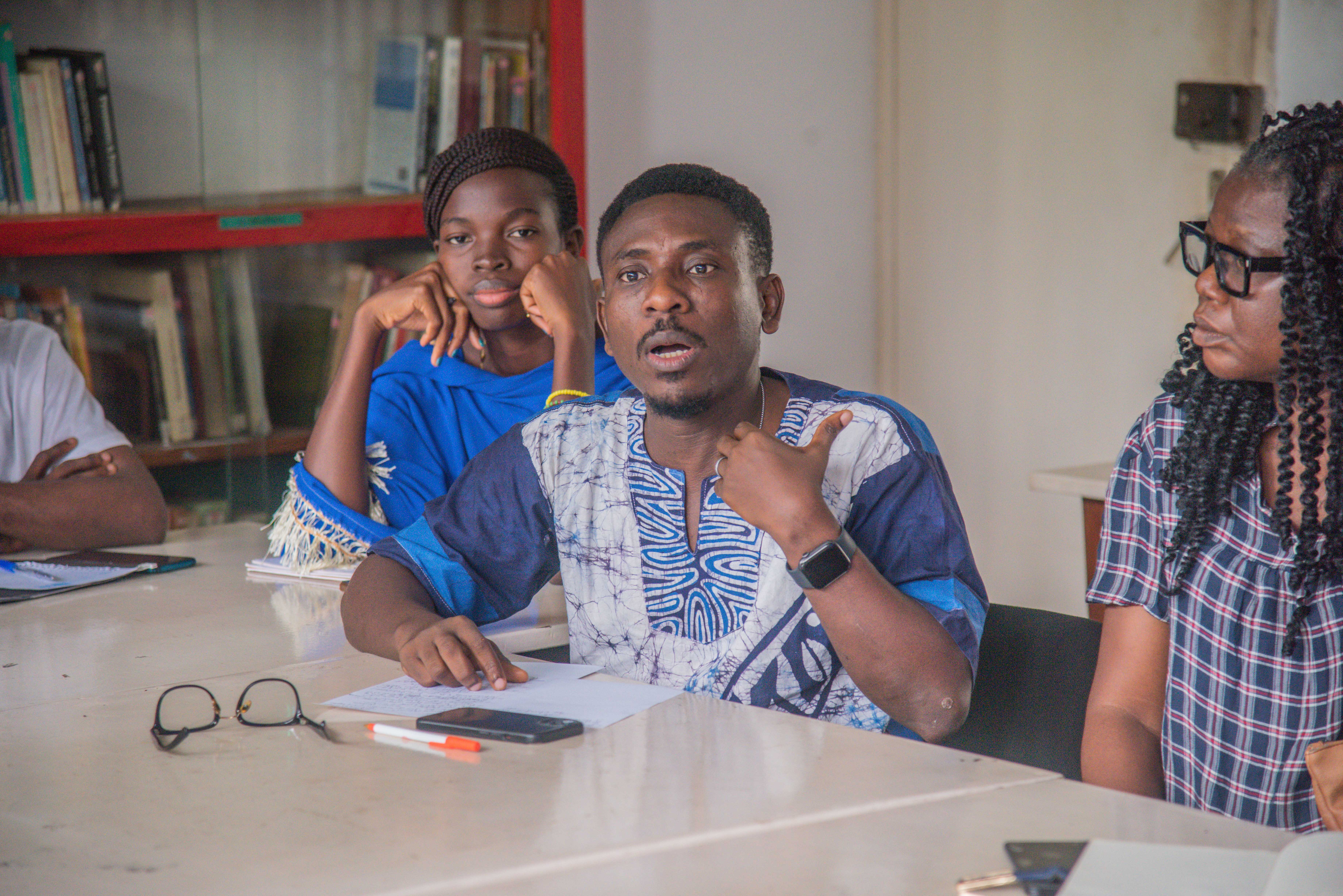
Dr Kudus Adebayo