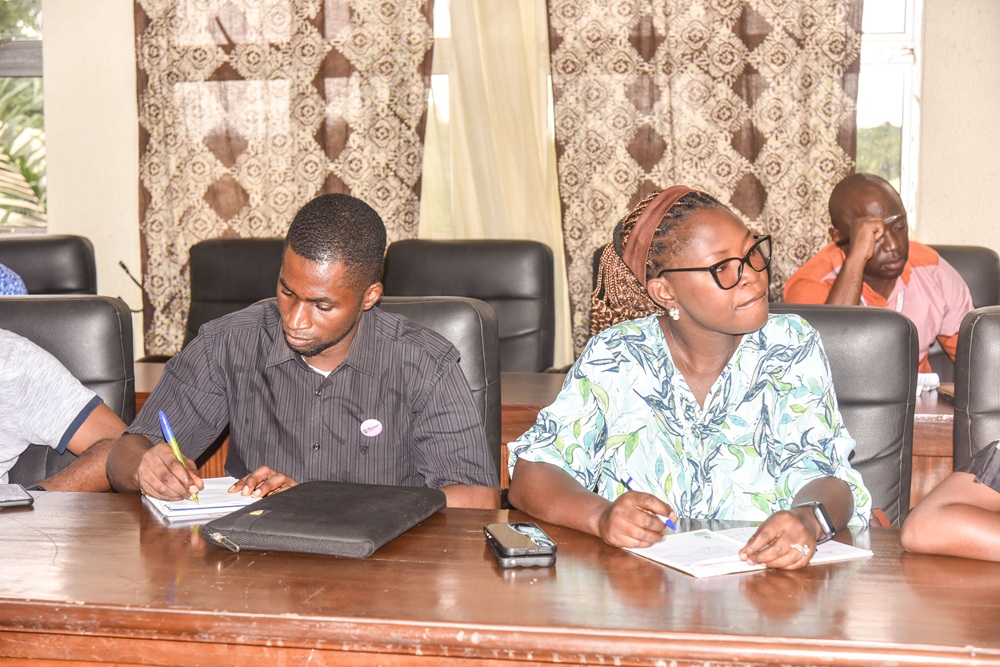
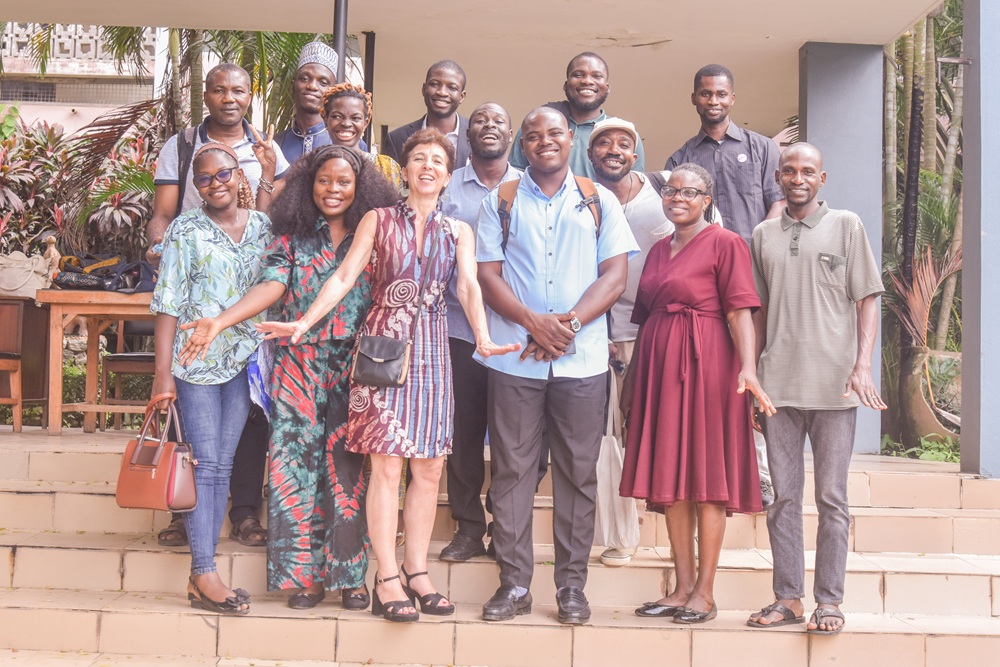
On 23 July 2026, IFRA-Nigeria, in collaboration with Géo-Cités (CRIA) and the Institute of African Studies (IAS), University of Ibadan, hosted the workshop “Sensitive and Minority Archives: Selection, Digitization and Archiving”. The workshop brought together researchers and practitioners to reflect on how archives are created, selected, preserved, digitized and reinterpreted, with particular attention to minority memories, community knowledge and alternative forms of archiving.
The workshop was part of the ongoing research project “Archiving and Digitizing African Futures: Minority Memories and Heritage,” a collaborative initiative involving IFRA-Nigeria, History Workshop at Wits University (South Africa), Institut des Humanités Numériques africaines de l’Université de Yaoundé (Cameroun), Géo-cités and Prodig research units (Paris, France) and the History Department at the King’s College London (UK).
The first session, led by Prof. Barbara Morovich (Géo-Cités (CRIA)) and Michael Awoyemi (University of Ibadan), explored the concept of archives beyond conventional institutional and state collections. Prof. Morovich's presentation examined anthropological, research, minority, indigenous and community archives, emphasizing that archives are never neutral repositories of the past. They are shaped by the circumstances in which they are created, by processes of selection and classification, and by the institutions and individuals who preserve and interpret them.
The discussion encouraged participants to reflect on which archives are considered valuable, whose perspectives may be absent, and how researchers themselves contribute to the construction of archives. The concept of minority archives was also examined in relation to processes of marginalization and the agency of groups whose histories and experiences have often been excluded from dominant narratives.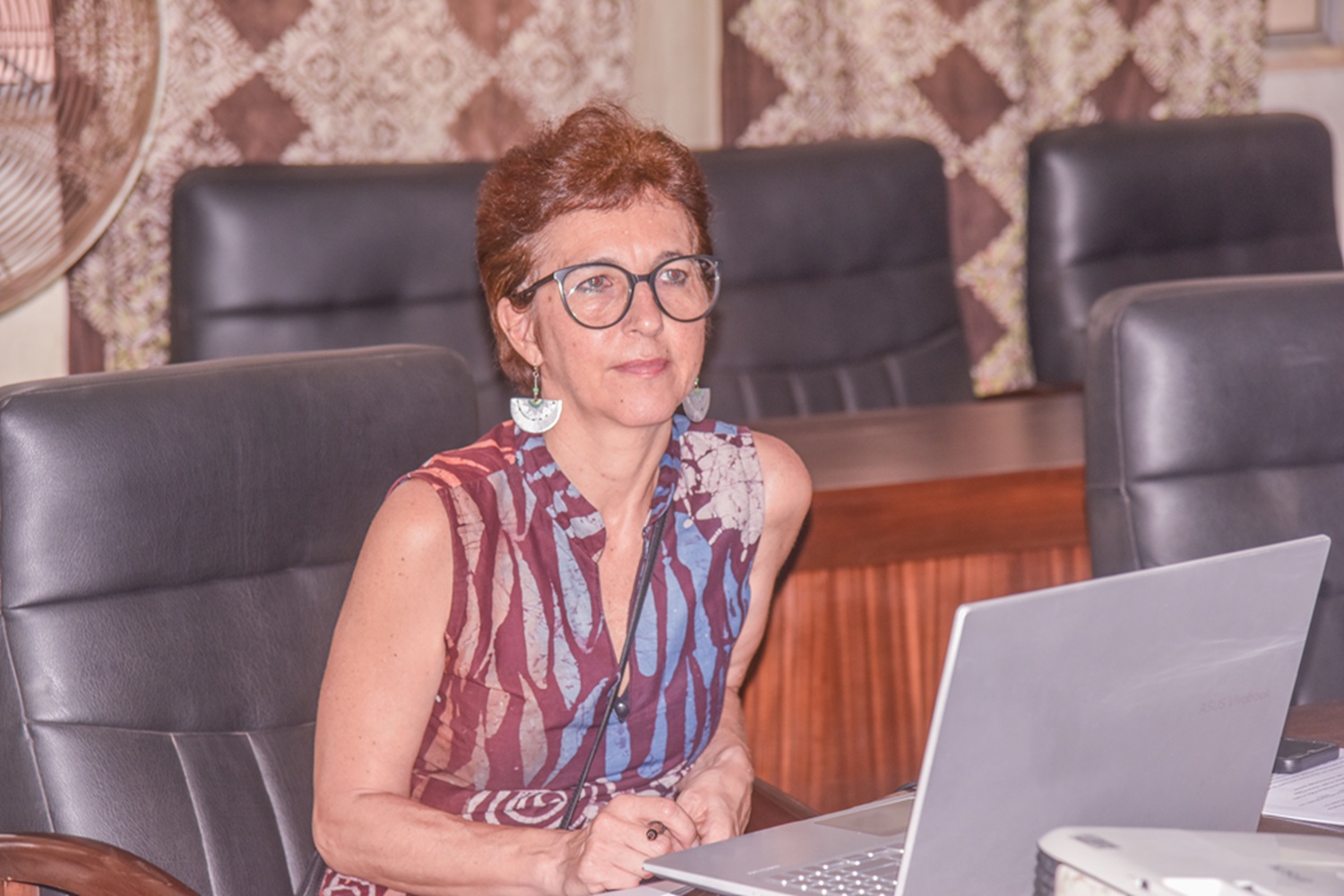
In his presentation, Michael Awoyemi focused on “Renegotiating Agency in African Archives,” examining how the question of who creates and manages an archive, and where the archival process takes place, shapes the outcomes of archival work. Drawing on examples from Nigerian archival institutions and collections, he discussed the role of alternative and counter-archives in challenging dominant representations of the past and creating new possibilities for “owning memory.”
The second session led by Dr Sa’eed Husaini (Centre for Democracy Development (CDD), Nigeria) addressed the ethical challenges of digitization, highlighting both the opportunities and risks associated with making archival materials digitally accessible. Participants discussed questions of ownership, consent, control and the rights of communities whose cultural knowledge and heritage are represented in archival collections. The discussion emphasized the importance of involving originating communities and considering principles of indigenous data sovereignty, particularly when dealing with sensitive knowledge and cultural materials.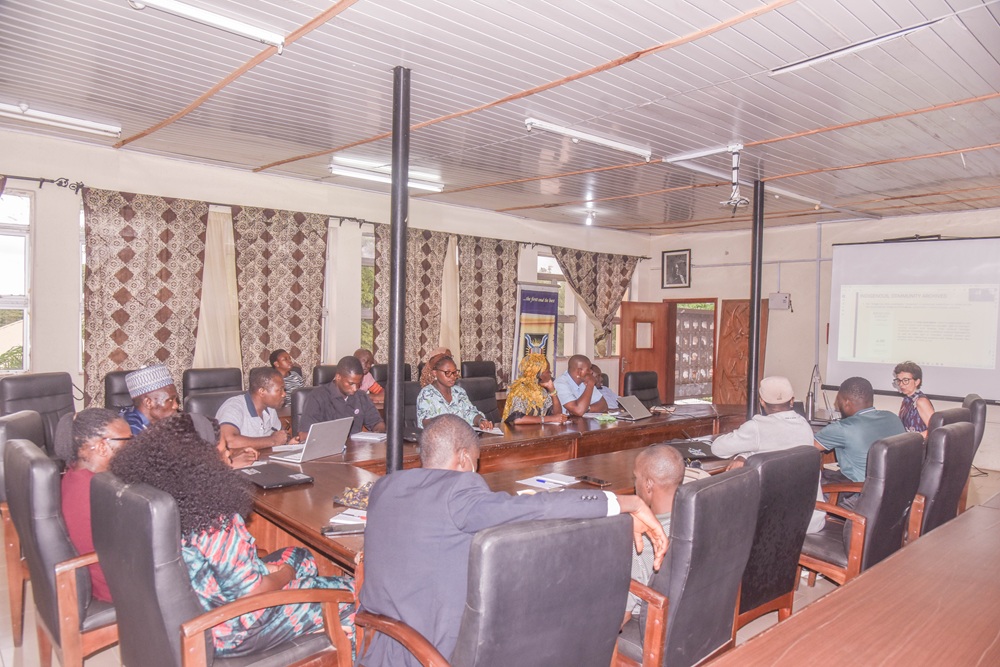
The final session explored ways of reimagining archives through art and creative practice, with participants presenting examples from their personal and research archives. These included three archives related to research on spirits, jinn possession and exorcism in Nigeria; a minority archive documenting the history of diaspora communities, particularly Yoruba people in Kumasi, Ghana; and three archives connected to a participant’s ongoing doctoral research and family history.
Drawing on examples from the participants’ personal archival projects, the discussion demonstrated how creative practices can transform personal and collective memories into new forms of archival expression. Participants were encouraged to consider their own archives and explore how they might be reorganized, reinterpreted and activated through artistic and interdisciplinary approaches.