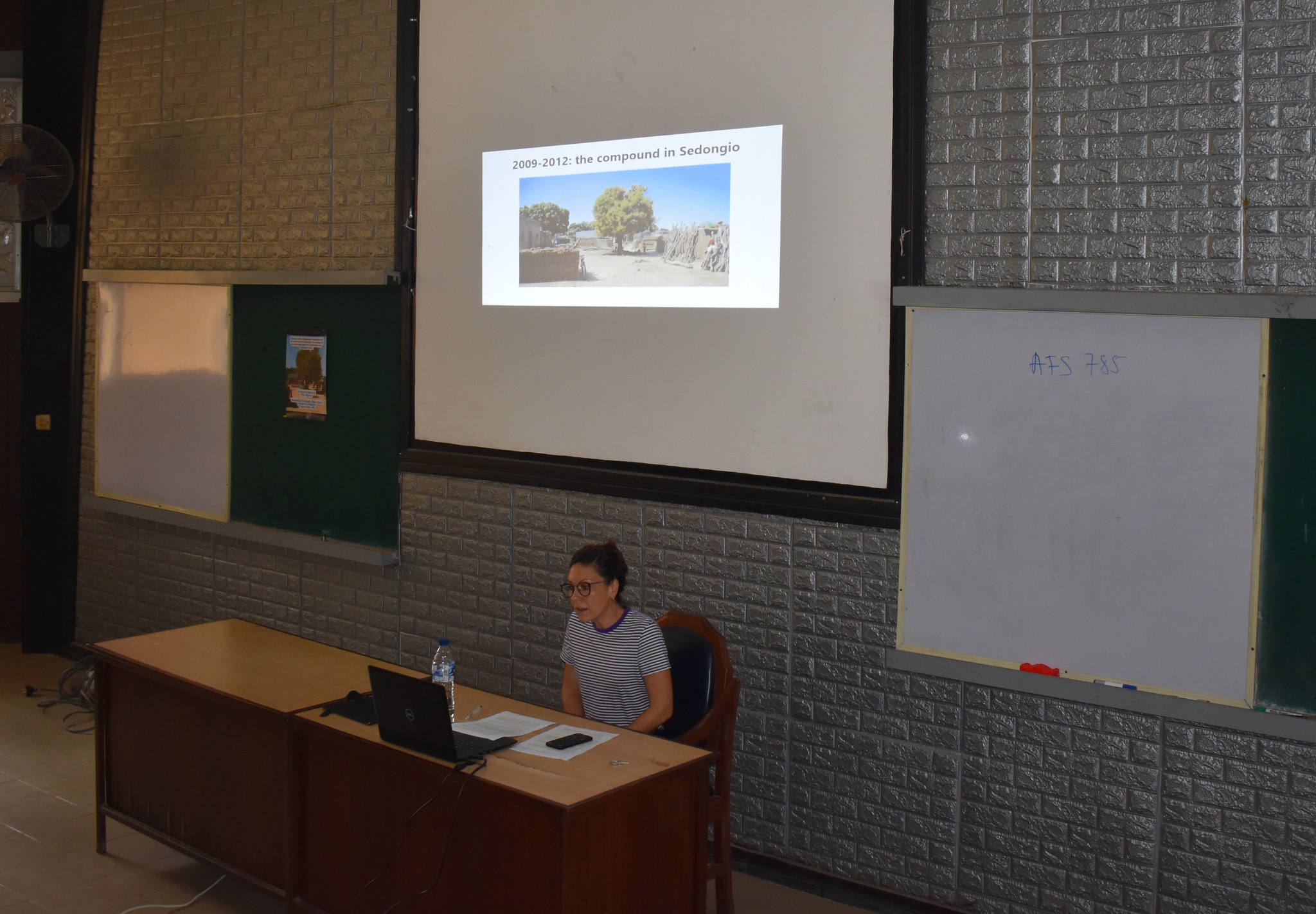
 On October 18, Dr Manetta, presented the methods she mobilized to conduct a political ethnography of south-west Burkina Faso. She discussed fieldwork experiences that led her to analyze social relations throug moves, place & space.

News
Featured
Featured
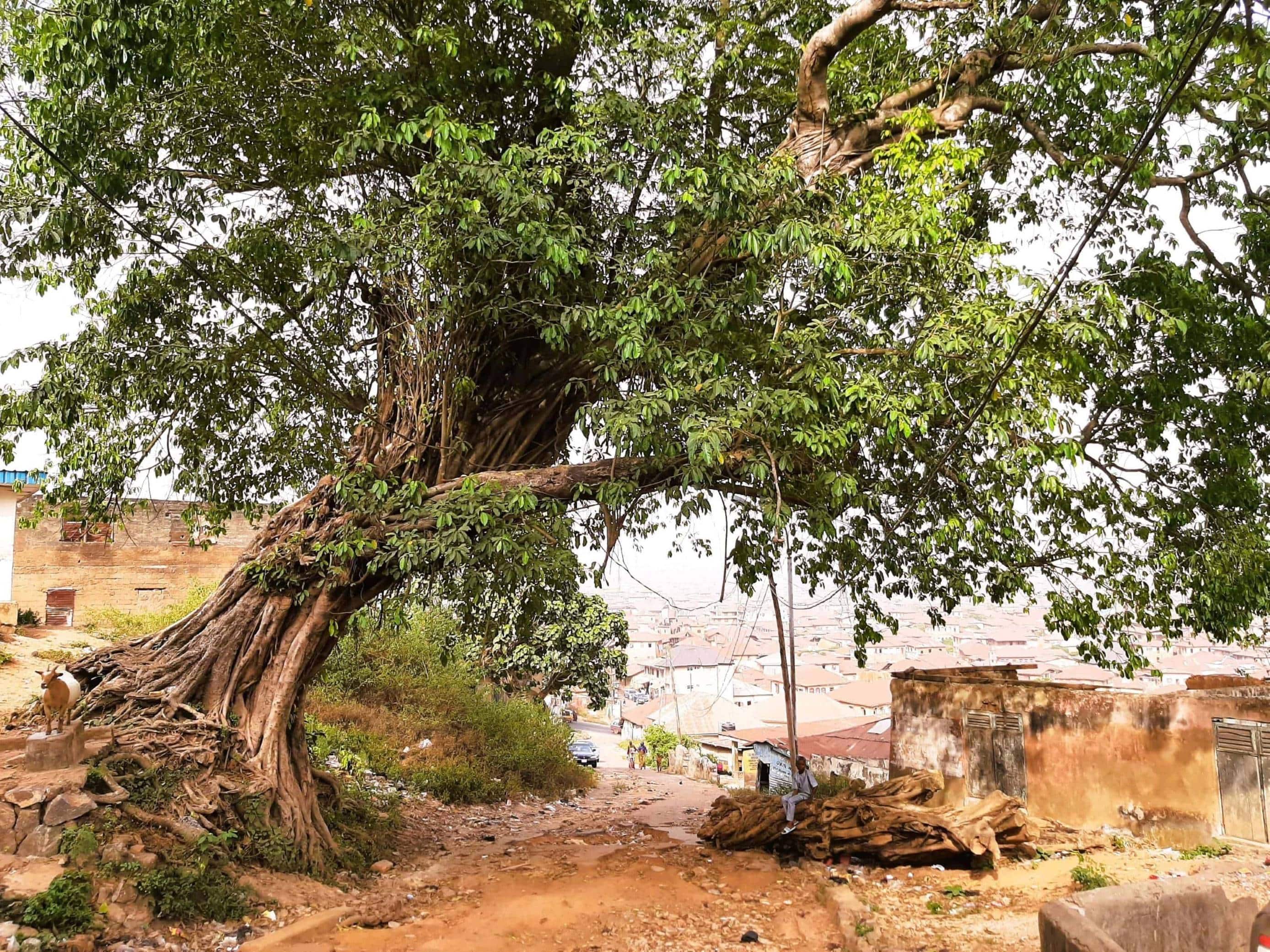 The interdisciplinary project INFRAPATRI aims to study the local knowledges and forms of attachment to urban plants in four sub-Saharan African cities : Yaounde in Cameroon, Ibadan in Nigeria, Porto-Novo in Benin and Dakar in Senegal. Our reflection is based on the notion of "heritage from below", allowing us to understand the relationship of city dwellers to plants in terms of memory and conceptions of the past, rarely recognized by institutional approaches to heritage conservation. Plants in the city, which cover multiple figures and spaces, are in fact used in a variety of ways based on practical or symbolic knowledge. Together, this knowledge and uses are produced by various urban collectives based on family, ethnic identity, religion, neighbourhood, profession or political representation, etc.
Featured
 As part of both its programs on Digital Humanities and Nigerian History and Heritage Conservation, IFRA-Nigeria has launched a research project on the digitization of the Archives of the National Museum Lagos in Collaboration with the National Commission for Museums and Monuments in its ongoing project that is funded from the grant that forms a part of a wider project entitled Fonds de Solidarité pour les Projets Innovant (FSPI Project).
Featured
As part of both its programs on Digital Humanities and Nigerian History and Heritage Conservation, IFRA-Nigeria has launched a research project on the digitization of the Archives of the National Museum Lagos in Collaboration with the National Commission for Museums and Monuments in her ongoing project that is funded from the grant that forms a part of a wider project entitled Le Fonds de Solidarité pour les Projets Innovant (FSPI Project).
Featured
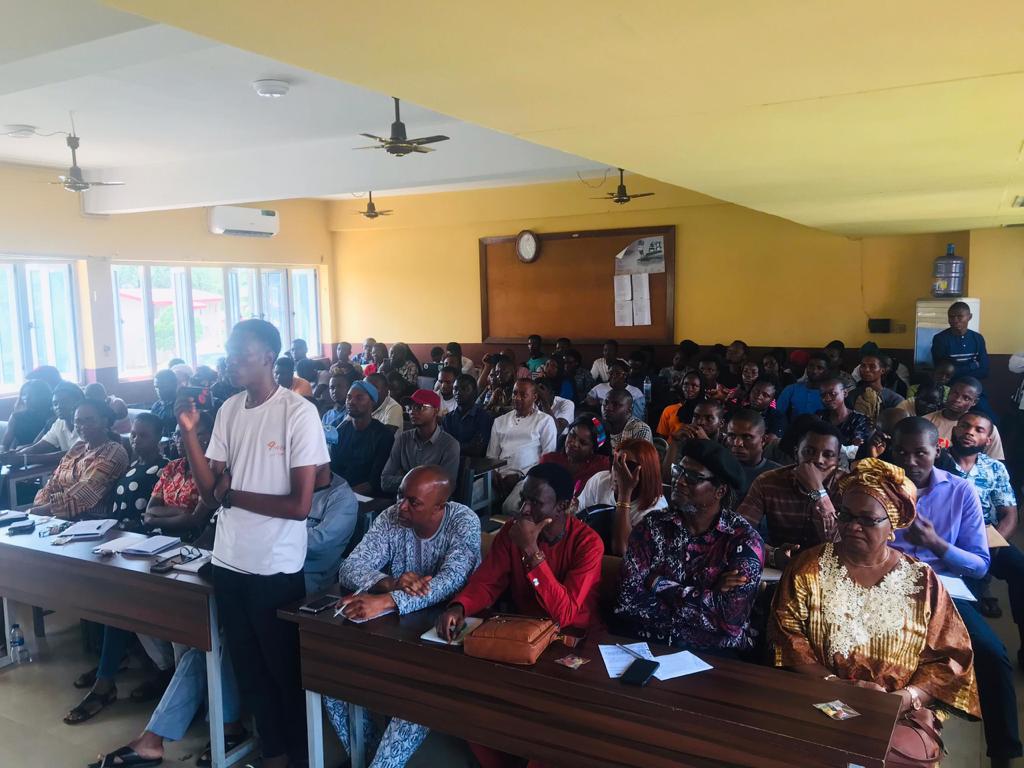 On the 4th October 2023, Dr Barbara Morovich and Dr Delphine Manetta were invited to take part in a round table on "The Resurgence of Coups in Africa" organised by Prof. Irene Pogoson, Department of Political Science, University of Ibadan.
Featured
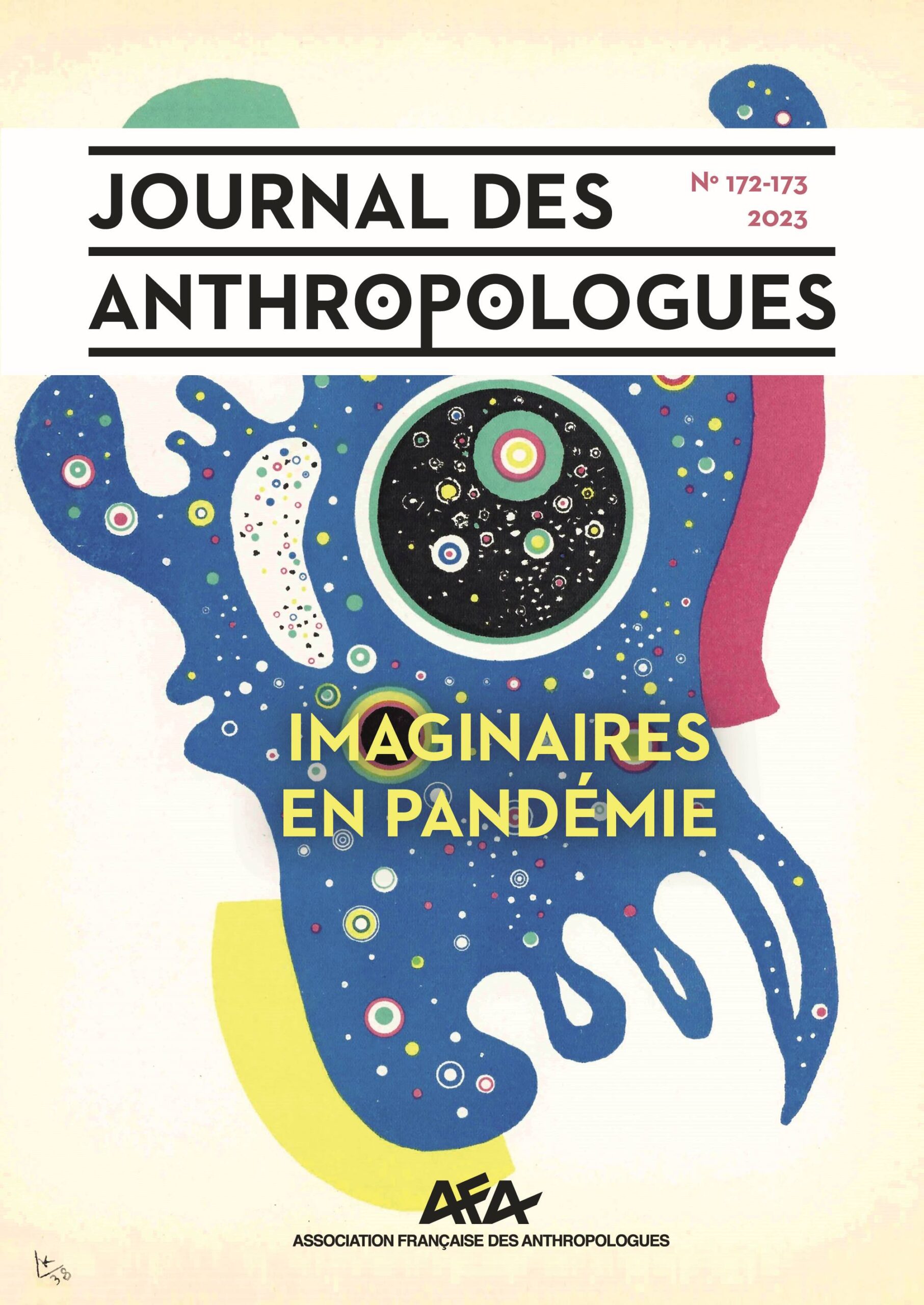 The latest issue of the Journal des anthropologues, coordinated by Monique Selim and Barbara Morovich, is hot off the press.
Entitled "Imaginaires en pandémie" (Pandemic imaginaries), the thematic dossier examines the novel political and ideological bricolages that emerged during and in the wake of the Covid-19 health crisis.
------------------------------------
La dernière livraison du Journal des anthropologues, coordonnée par Monique Selim et Barbara Morovich, sort fraîchement de l'imprimerie.
Featured
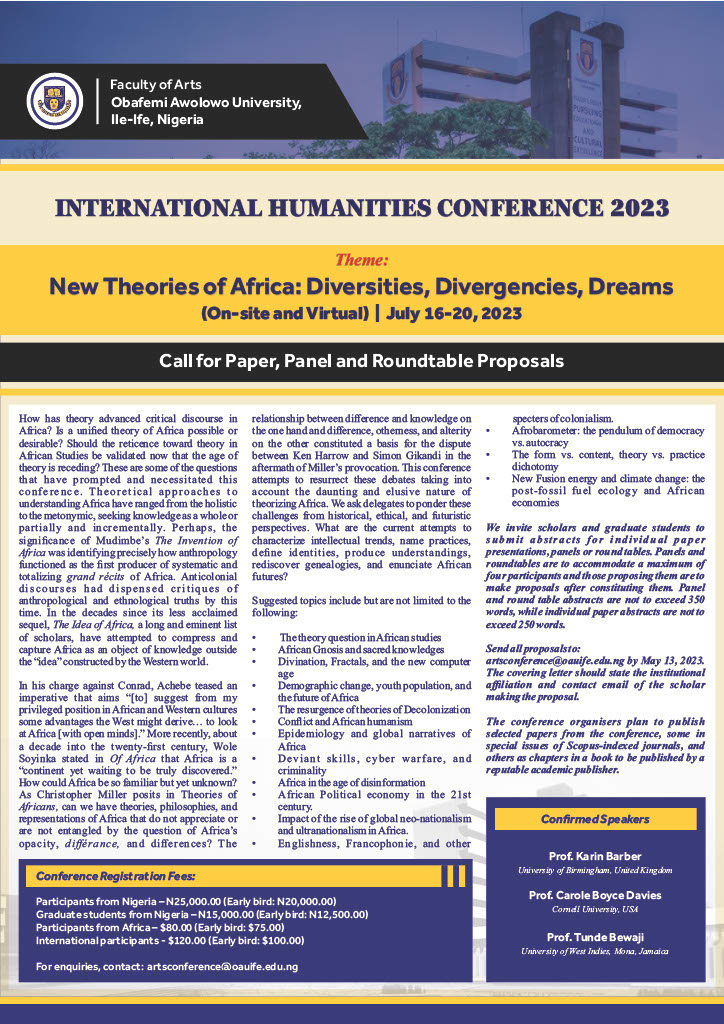 From the 16th to the 20th of July 2023 the international humanities conference, partly sponsored by IFRA-Nigeria, took place at the faculty of Arts of Obafemi Awolowo University on the following theme: "new theories of Africa: diversities, divergences and dreams". The conference featured Professor Karin Barber from the university of Birmingham, Professor Carole Boyce Davies from Cornell University and Professor Tunde Bewaji from the University of West Indies.
Featured
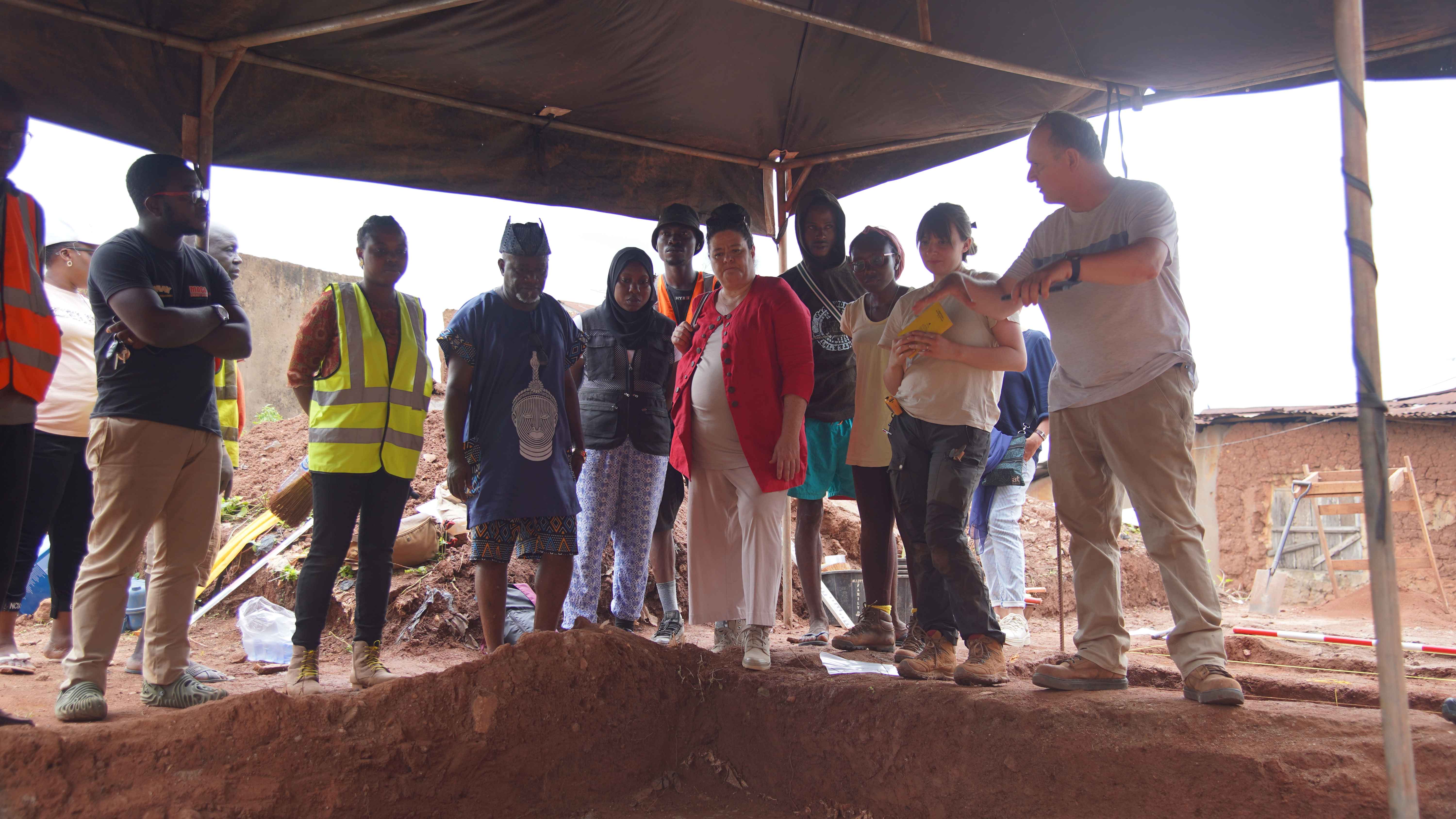 Between the 18th of June and the 15th of July 2023, a research team led by Prof. Gérard Chouin worked on the Ife-Sunbgo Archeological Project. Besides the continuation of the usual annual archaeological excavation, two trainings took place (see below). The Ife-Sungbo team hosted the team of Her Excellency the Ambassador of France to Ife between the 3rd and 5th of July 2023. The team opened additional units of the excavation at both the Ita-Yemoo and Lujumo compound sites to study further the context of the different layers and types of pavements discovered.
Featured
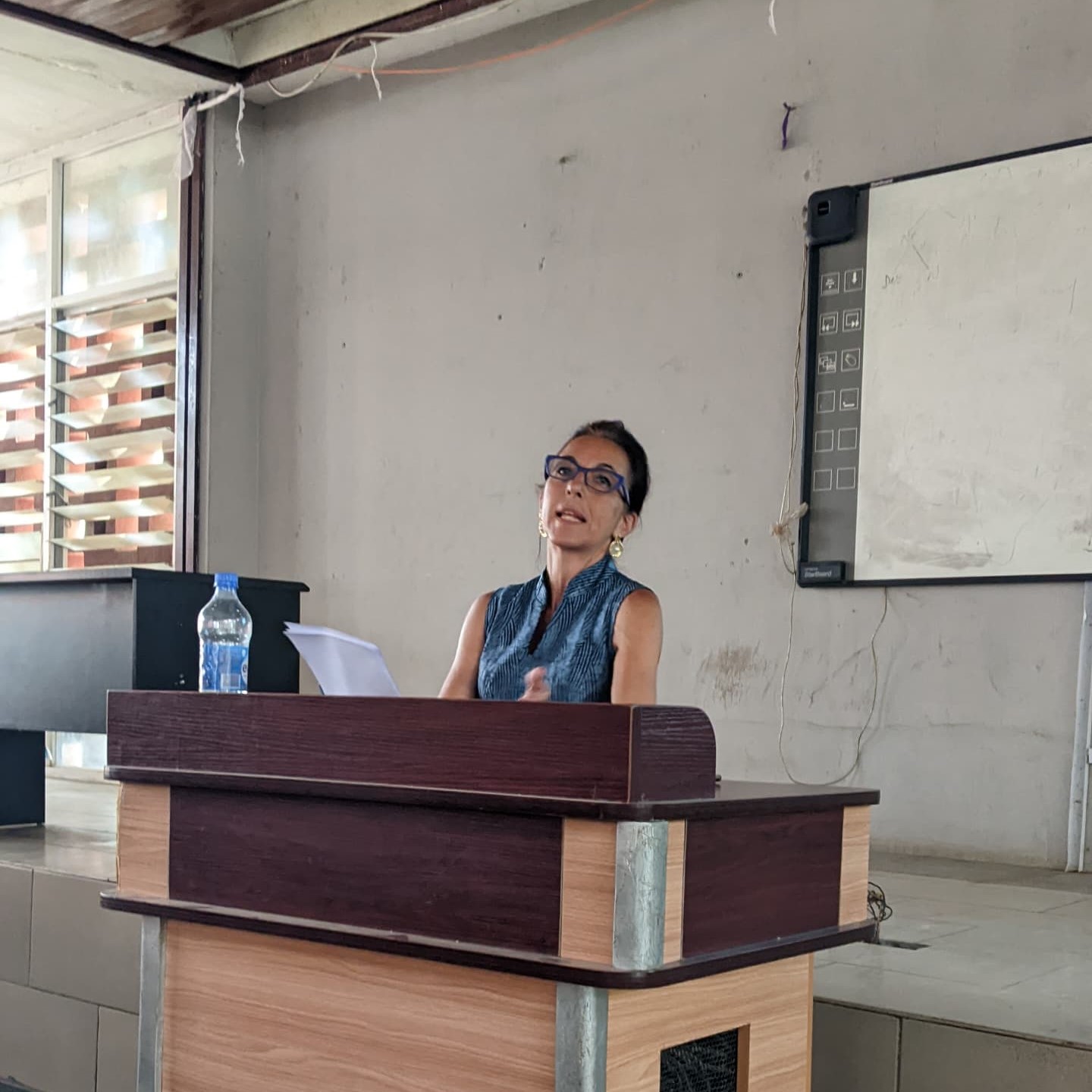 Between the 10th and 13th of july, IFRA-Nigeria participated in a methodology workshop program coorganised by the department of history of the University of Ibadan and the University of Leipzig on the theme of "deepening research skills". The topics discussed were varied. Amongst others, Prof. O.C Adesina gave a class on comparative historiography, Prof. Dmitri van den Bersselaar gave a class on theory in historical research and Dr. Barbara Morovich gave a class on doing fieldwork in stigmatised contexts.
Featured
 The Higher Education, Research and Innovation Department (ESRI) of the French Embassy is funding mobility grants (SSHN* grants) for researchers, doctoral students and post-doctoral students in Nigeria. The research stay must take place in a French laboratory, as part of an existing collaboration, for a period of one to three months during 2023. The stay in France must end no later than 31 December 2023 and must take place in one go.
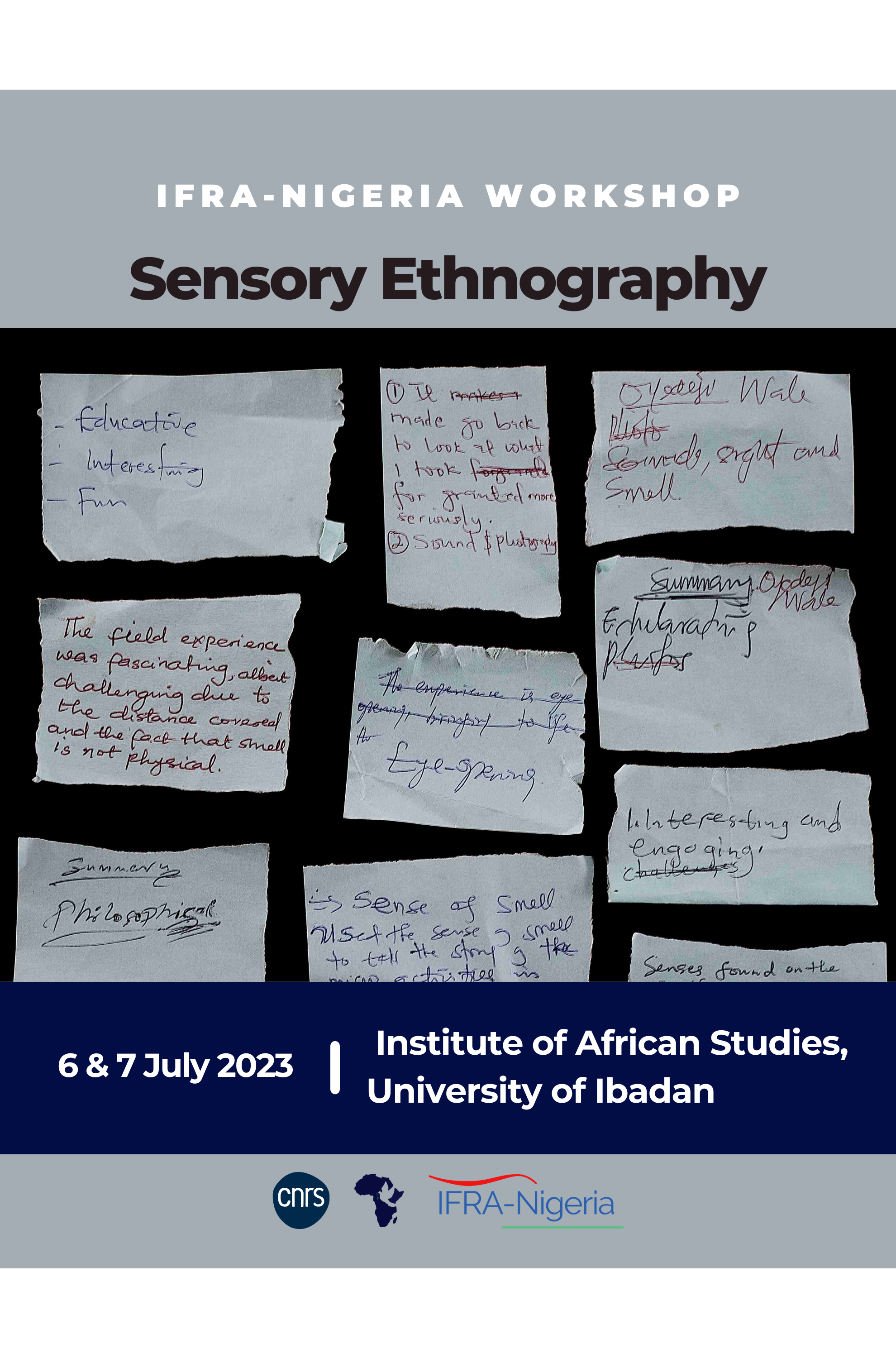
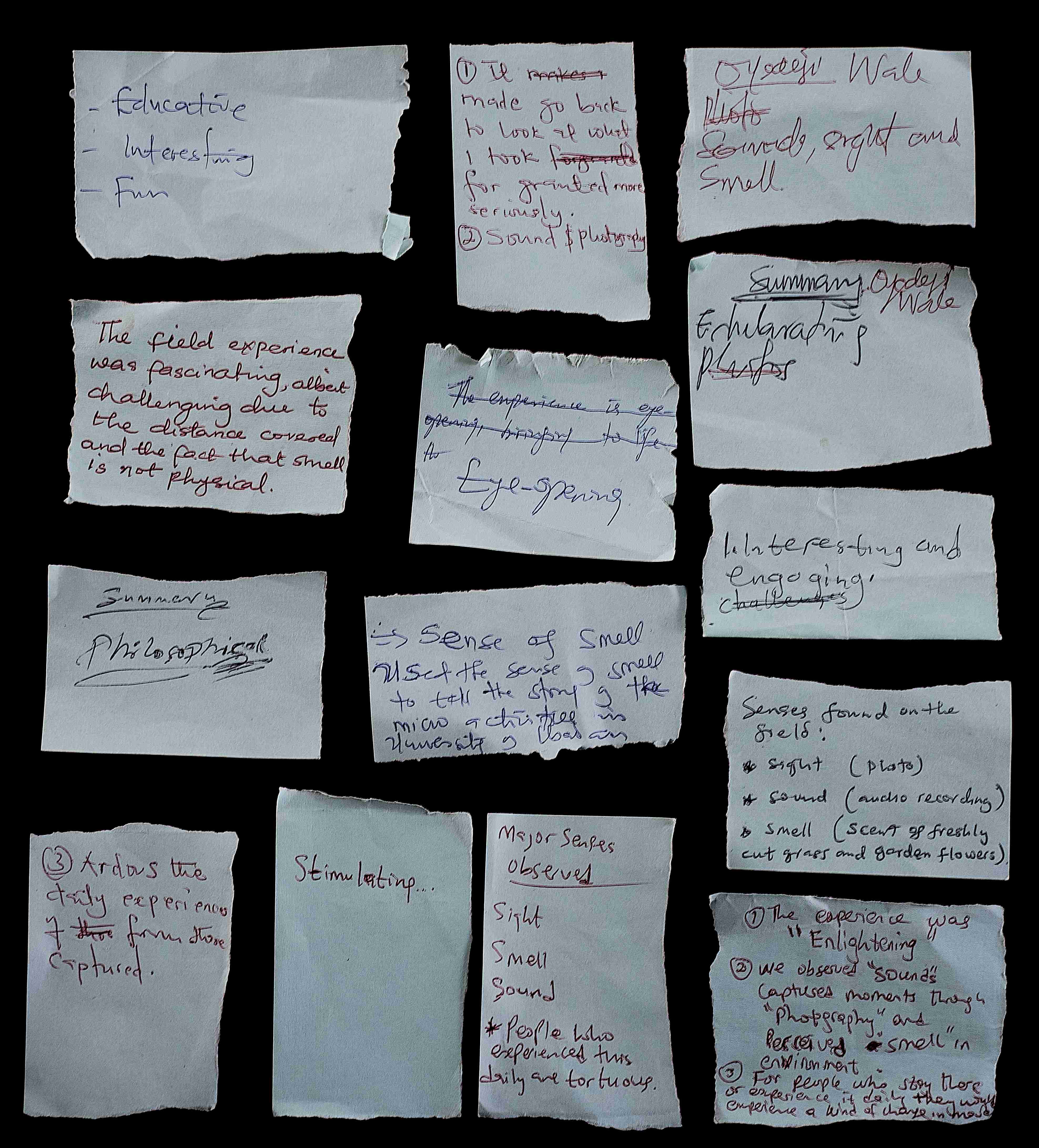 Between the 6th and 7th of July 2023 a workshop on Sensory Ethnography was organised by Olúwatóbilóba Adéwùnmí and Salomé Isibhenmen Okoekpen (two P.h.D students and IFRA research fellows) on the 6th and 7th of July 2023 at the Institute of African Studies and IFRA. The purpose of the workshop was to introduce and discuss the significance of different senses in the production of ethnographic data, explore methodologies for sensory data collection and analysis, and examine the possibilities of disseminating research to a wider audience.
Featured
 On Thursday 6th of July 2023, IFRA-Nigeria invited Prof Olutayo C. Adesina to present his current research and upcoming publication on the Ibadan School of History. He gave a lecture on the making and meaning of the Ibadan School of History since the 1950s. He described the emergence of the school, the epistemological and historiographic achievements of its proponents as well as the intellectual mode and forms of civil engagement they proposed. He also discussed the lessons to be drawn for the experience of the Ibadan School of History on researching and writing Nigerian and African history in today’s world, especially around the development of African epistemologies and transforming African universities. The recording of the event is available here.
Featured
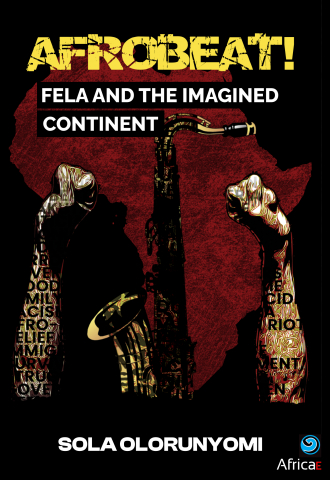 A revised version of “AFROBEAT! FELA AND THE IMAGINED CONTINENT” by Sola Olorunyomi was published on the 22nd of June 2023 by Africae and is freely accessible online following this link. Africae publishes academic works in the humanities and social sciences on Africa that shed light on political, economic and social dynamics in the past and in the present. Africae promotes the open access dissemination of knowledge and encourages publication in the languages of the territories concerned by the research. In this way, Africae aim to contribute to the circulation, without commercial barriers, of the products of contemporary scientific research in all regions of Africa.
Featured
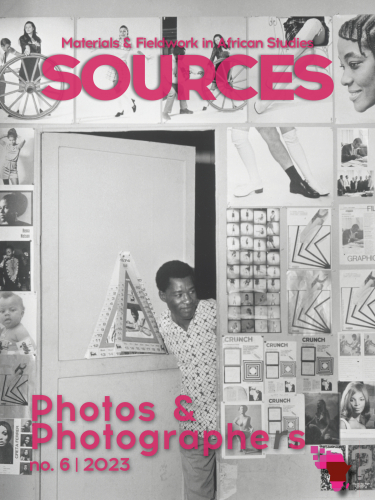 The sixth issue of Sources just came out and is accessible here.
What do photographers and their pictures show about Africa? This special issue aims to analyses the social representations produced and disseminated by photographers, whether professionals or amateurs, researchers or not, African or not. The articles present numerous photographs, reflecting the longstanding nature of this practice as well as its contemporary vitality. The authors consider what is shown, what can be shown, but also the images that are not there or are no longer there. Examining the absence of images invites us to grasp the entire photographic process, from shooting to distribution. The aim is to unravel not only the photographs themselves, but also the various interactions that led to their production, reproduction or disappearance. In this way, the articles sketch out the area of the photographable in Africa.
Featured
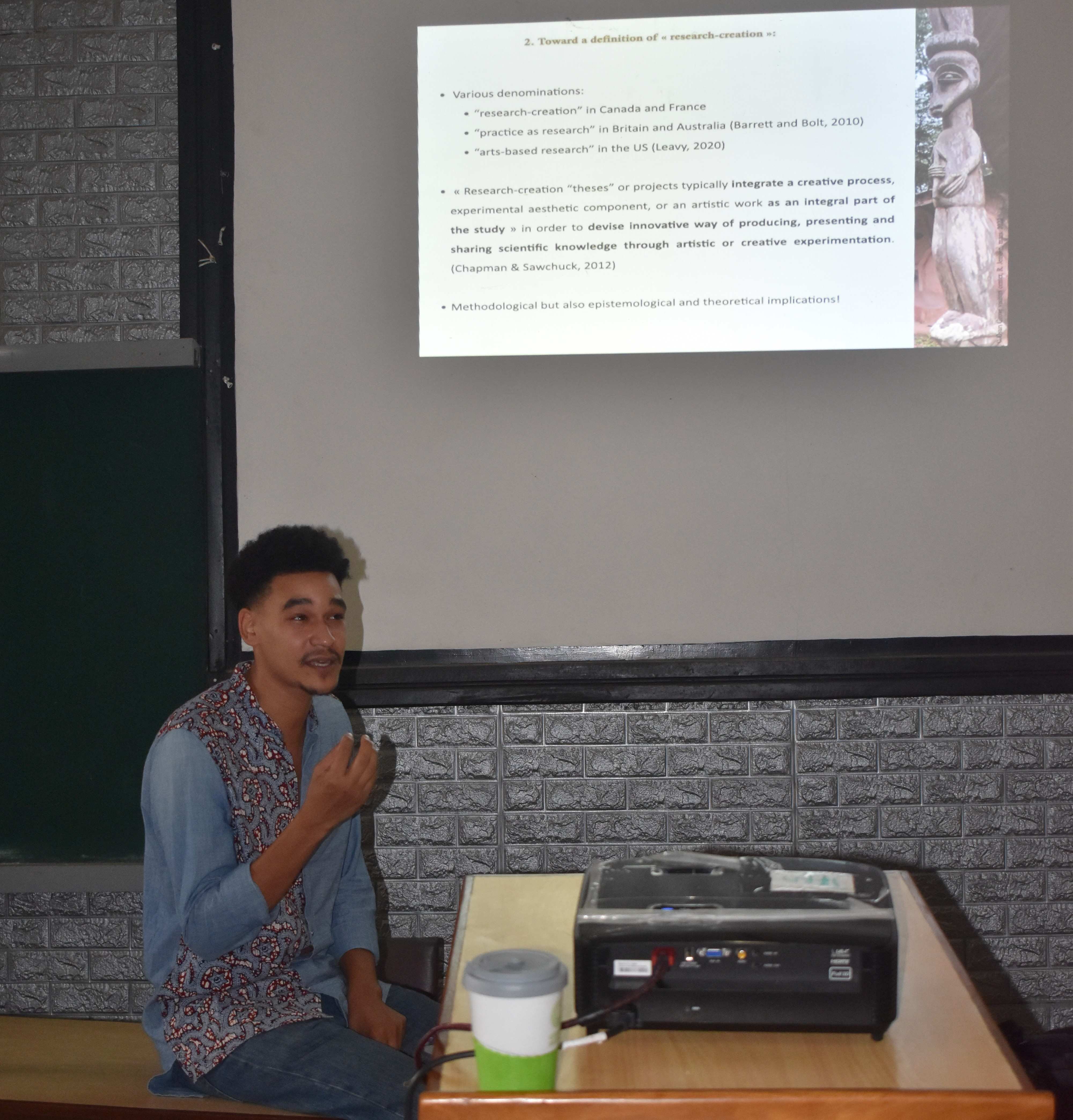 On the 23rd of June, Rémi Jenvrin gave a methodological Seminar at the Institute of African Studies of the University of Ibadan. Rémi Jenvrin’s work aims at shedding light on the knowledge and practices that characterise the relationship between urban societies and tree vegetation in two West African cities, Osogbo and Porto Novo. These relationships are highly diverse, ranging from affective, memorial and ritual, to tourism, recreation, aesthetics, and ornamentation, to medicine and ecology. The interrelationships between this knowledge and practice about trees and urban forests also reflect a diversity of scales and players.