
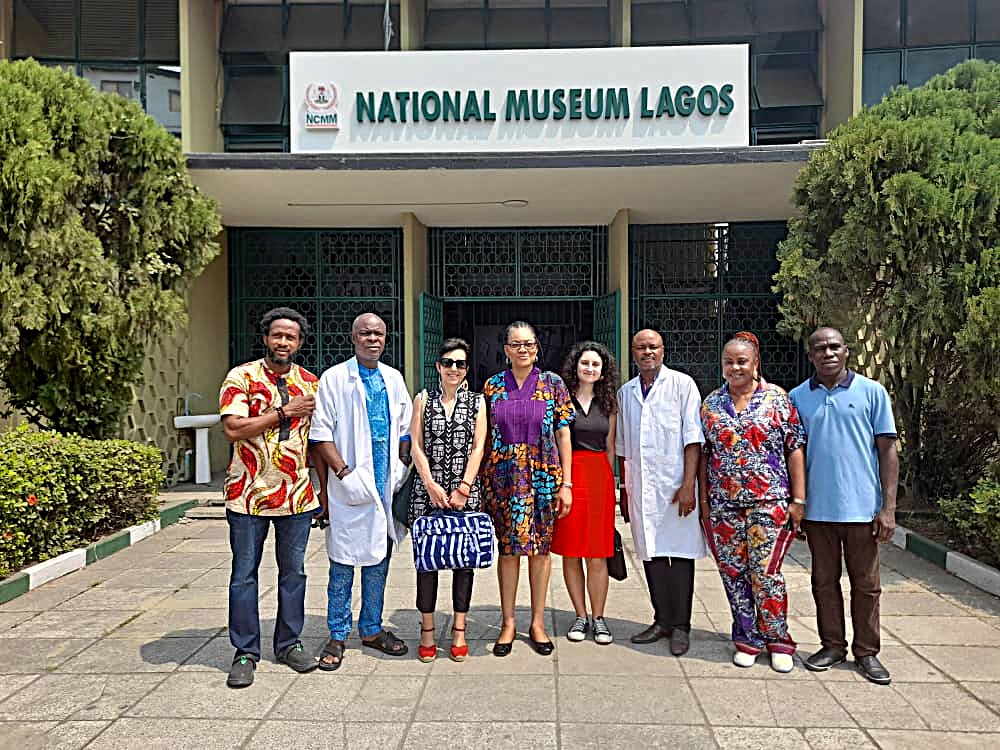
 On 24 January, Dr Barbara Morovich, IFRA-Nigeria director, and Marie Lureau, research project manager, visited the National Museum Lagos and had the privilege to meet its curator, Mrs Nkechi Adedeji and the dedicated team of the Nigeria Alternative Heritage project lead by Mr Busari. The project was made possible by the French Embassy Fund.
Thank you to Mrs Nkechi Adedeji and the project team for welcoming us and for sharing our motivation to share Nigeria's alternative heritage. Visit the National Museum Lagos Archives website inaugurated last year and to learn more about our exciting visit, click below.
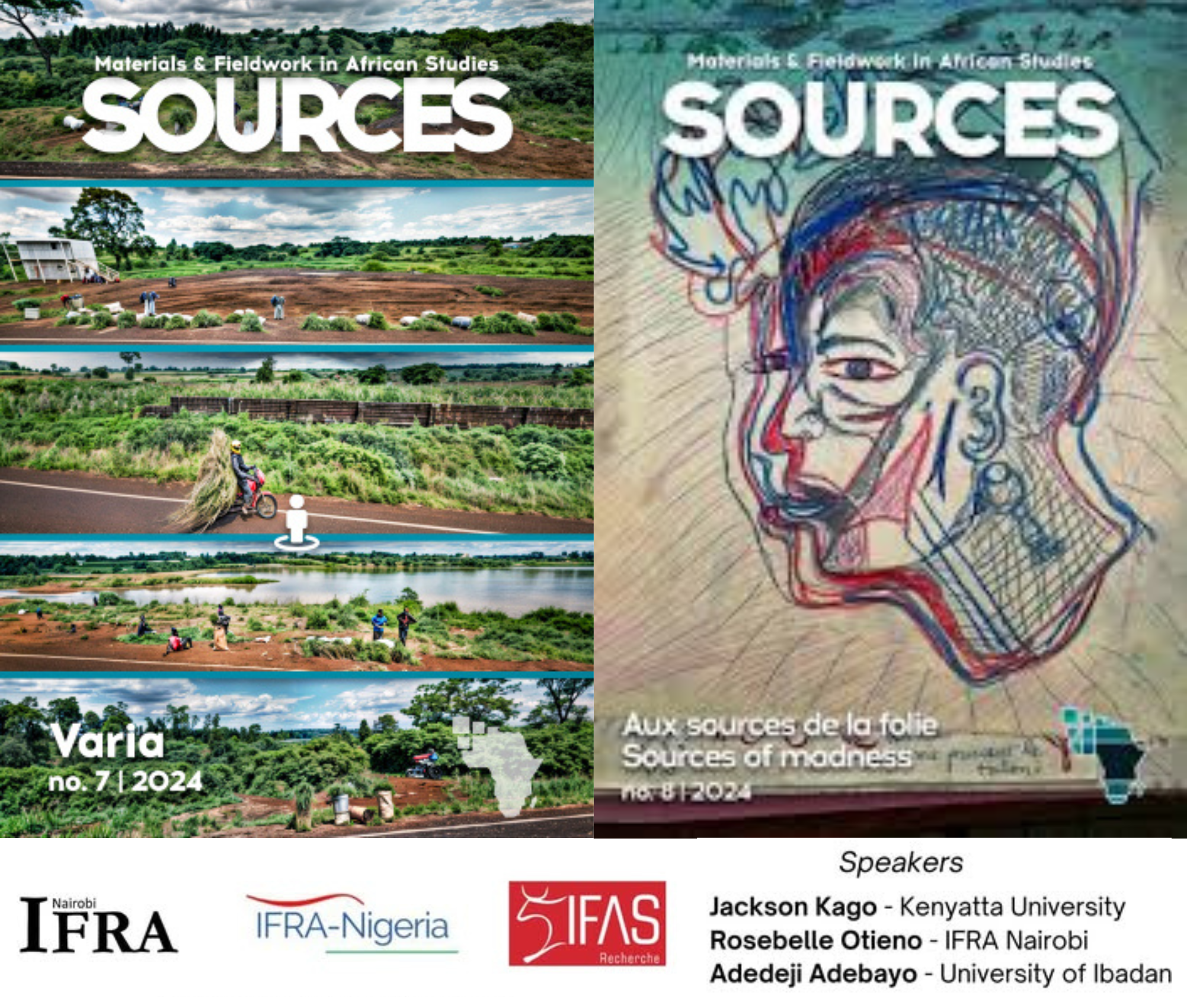
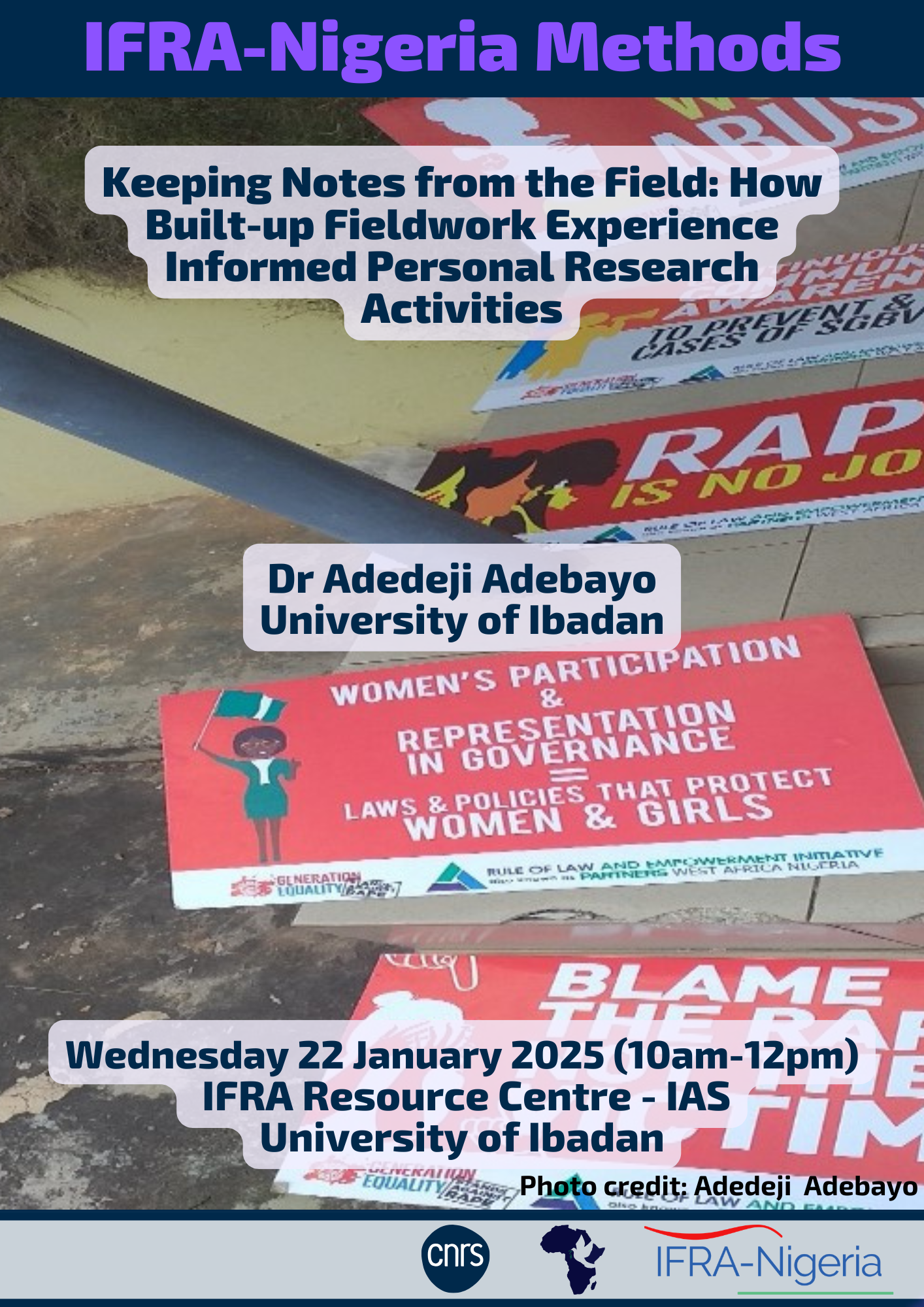
 IFRA-Nigeria had the pleasure to welcome Adedeji Adebayo on 22 January, for our first Methodological Seminar of 2025. IFRA-Nigeria director, Dr Barbara Morovich, introduced Dr Adebayo, a trusted junior research associate of IFRA-Nigeria's Elections Observatory. Dr Adebayo obtained his PhD from the Peace and Conflict Department of the University of Ibadan.
 IFRA-Nigeria invites application for a full-time post-doctoral position starting on March 1, 2025. The role will be fixed until August 31, 2025.
 L’institut français de recherche en Afrique (IFRA) à Ibadan, Nigéria cherche sa/son directeur.trice, poste à pourvoir à partir de septembre 2025.
 On 21 November 2024, Dr. Côme Salvaire, a researcher at Sciences Po Bordeaux & Research Institute for Sustainable Development, presented a methodological seminar titled: “What is a Case Study Good for?”, illustrating the logic of case study research with the results of an ethnographic study conducted from 2015 to 2024 around a garbage dump in Mushin, Lagos.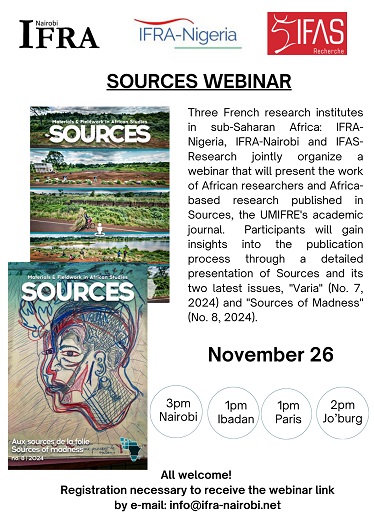
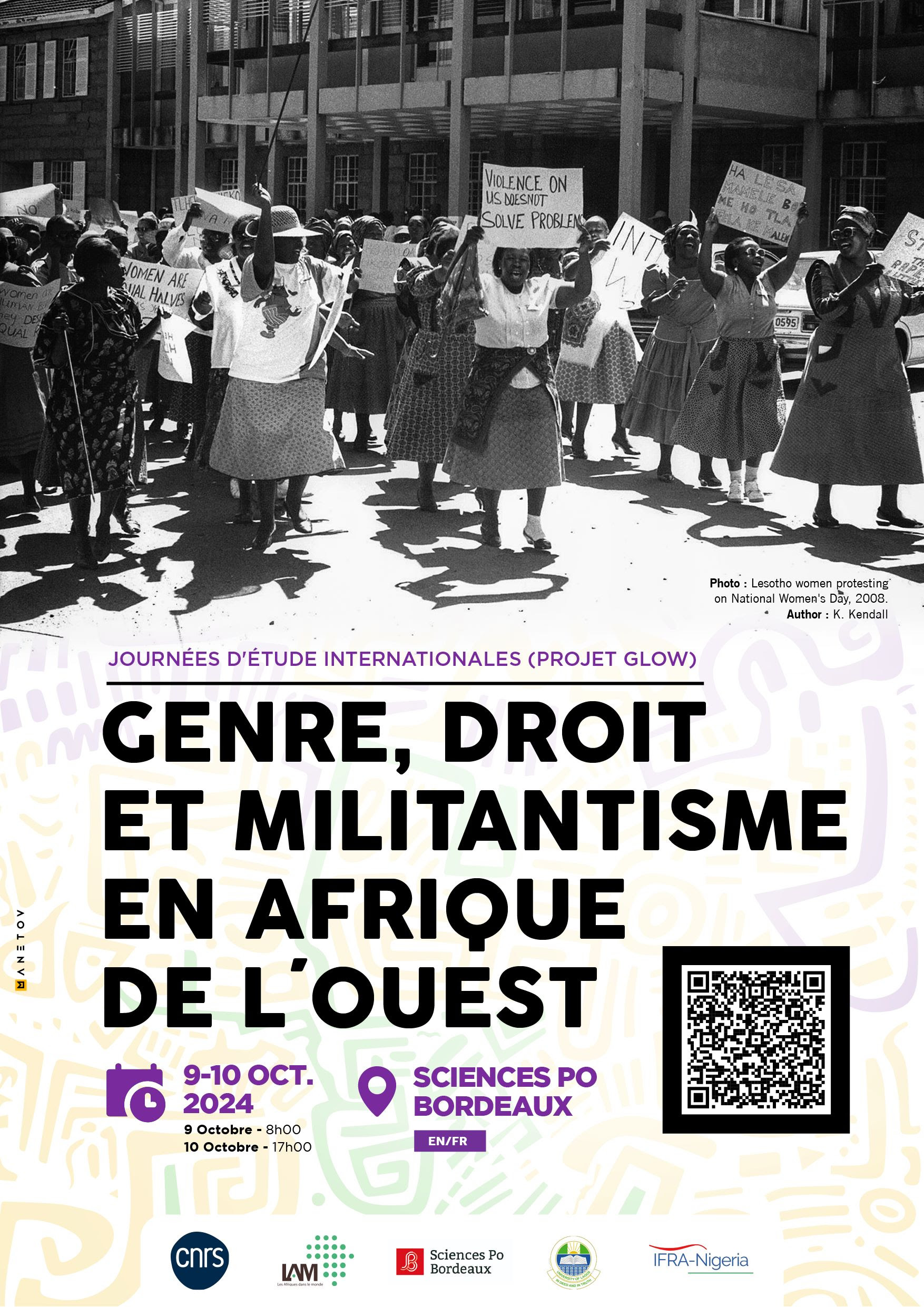 Wednesday the 9th and Thursday the 10th of October 2024, Olufunke Adeboye (University of Lagos), Barbara Morovich (IFRA-Nigeria), Marième N’Diaye (CNRS-Les Afriques dans le Monde), Sara Panata (CNRS-Les Afriques dans le Monde) are organizing two study days in the context of the
  Le 27 septembre, Barbara Morovich, directrice de l’IFRA-Nigeria a prit part au colloque 'Patrimoines invisibles : processus, formes et narrations' se déroulant du 26 au 27 septembre entre Arras et Amien. Barbara Morovich et Judith Hayem ont présenté leur article intitulé : « Le visible et l’invisible dans les mémoires des mines en Afrique du Sud » dans le cadre de leur participation à une table ronde intitulée « Effacements des traces patrimoniales dans l’espace public ».
 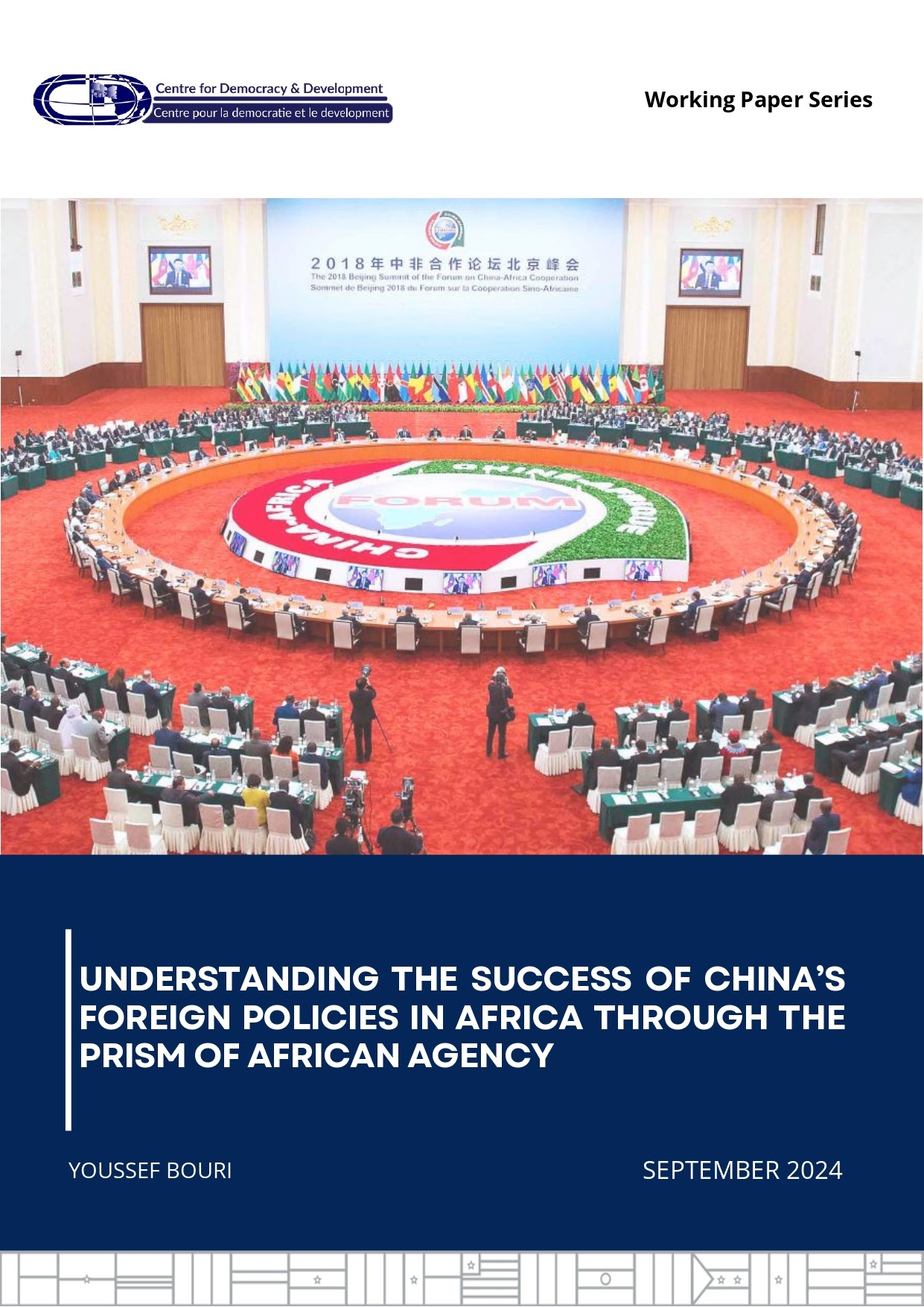 Youssef Bouri, Research Project Manager at IFRA-Nigeria, recently published a report for the
 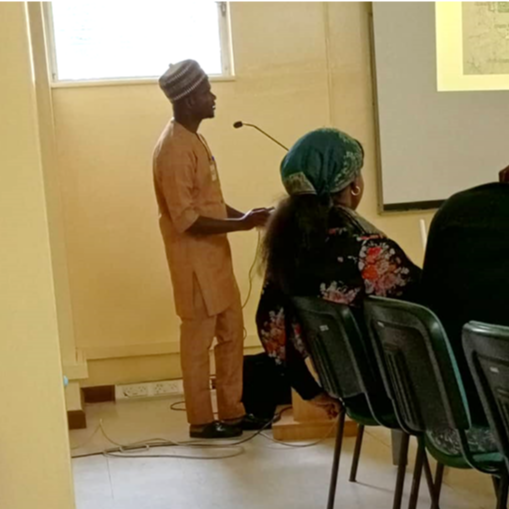 On the 26th of August, Femi Olanrewaju presented his research at the launching event of the Alternative Heritage program in Ibadan coordinated by The Republic, StoryMi Academy and the French Embassy in Nigeria. This creative workshop brought together a group of eleven creatives, including writers, photographers and illustrators from every region of Nigeria to meet with mentors, Diana Ejaita, Dipo Faloyin, Andrew Esiebo, and The Republic’s editor, Wale Lawal.
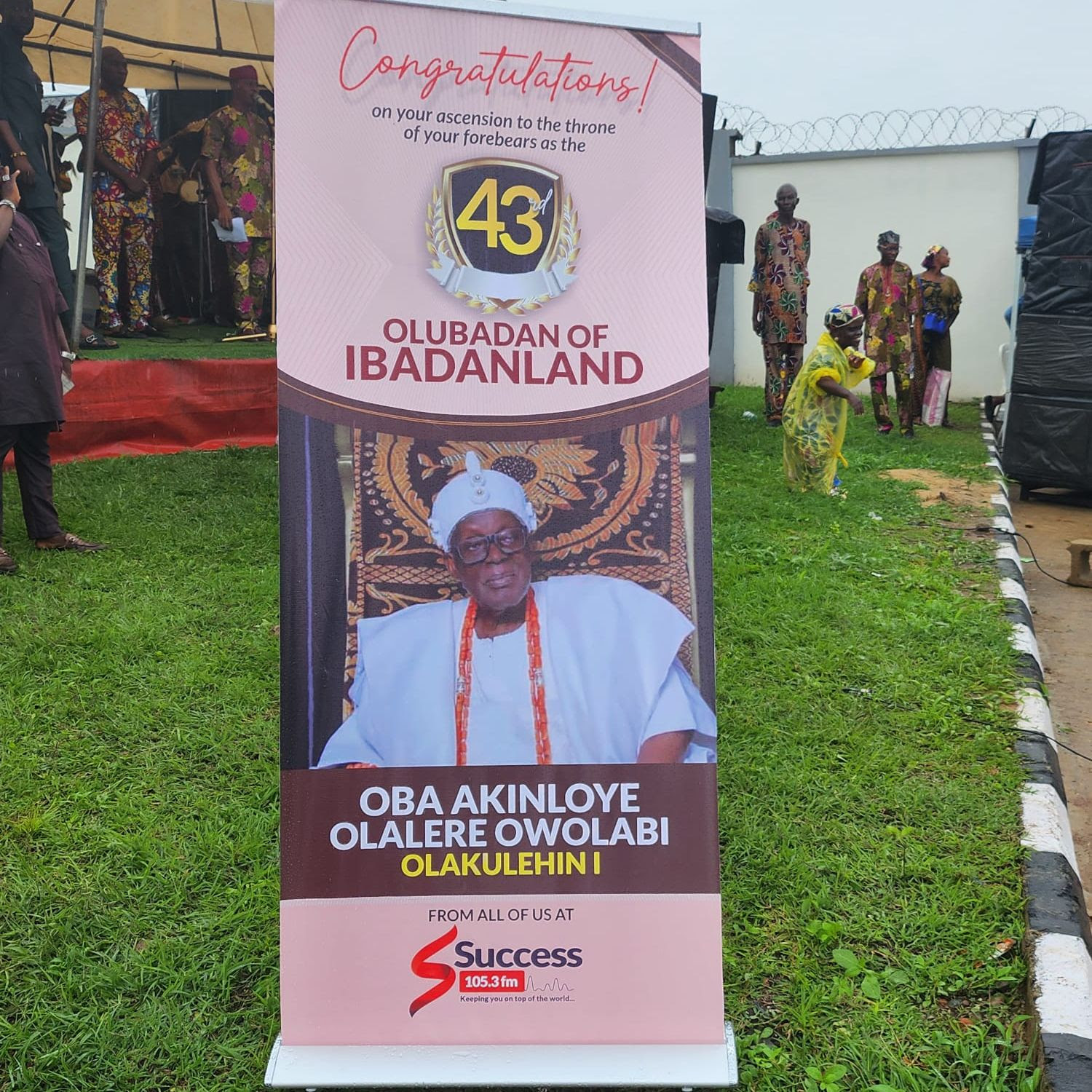 Jennifer Lorin (Uppsala University, Sweden) visited IFRA-Nigeria between July and August 2024 thanks to an
  Le 25 Juillet 2024, Delphine Manetta, anthropologue et et directrice adjointe de l'IFRA-Nigeria, a publié dans la collection Connaissance des Hommes (L'Harmattan) un ouvrage sur ses recherches au sud-ouest du Burkina Faso. Par sa richesse ethnographique et sa profondeur historique, elle propose une analyse renouvelée des enjeux politiques contemporains en Afrique de l’Ouest, nés dans le sillage de la décentralisation. En étudiant la place de la parenté, des générations, de l’amitié, de l’origine, du genre et du don dans la transformation du pouvoir, il montre en quoi les circulations des personnes et des richesses façonnent les dynamiques politiques au Burkina Faso.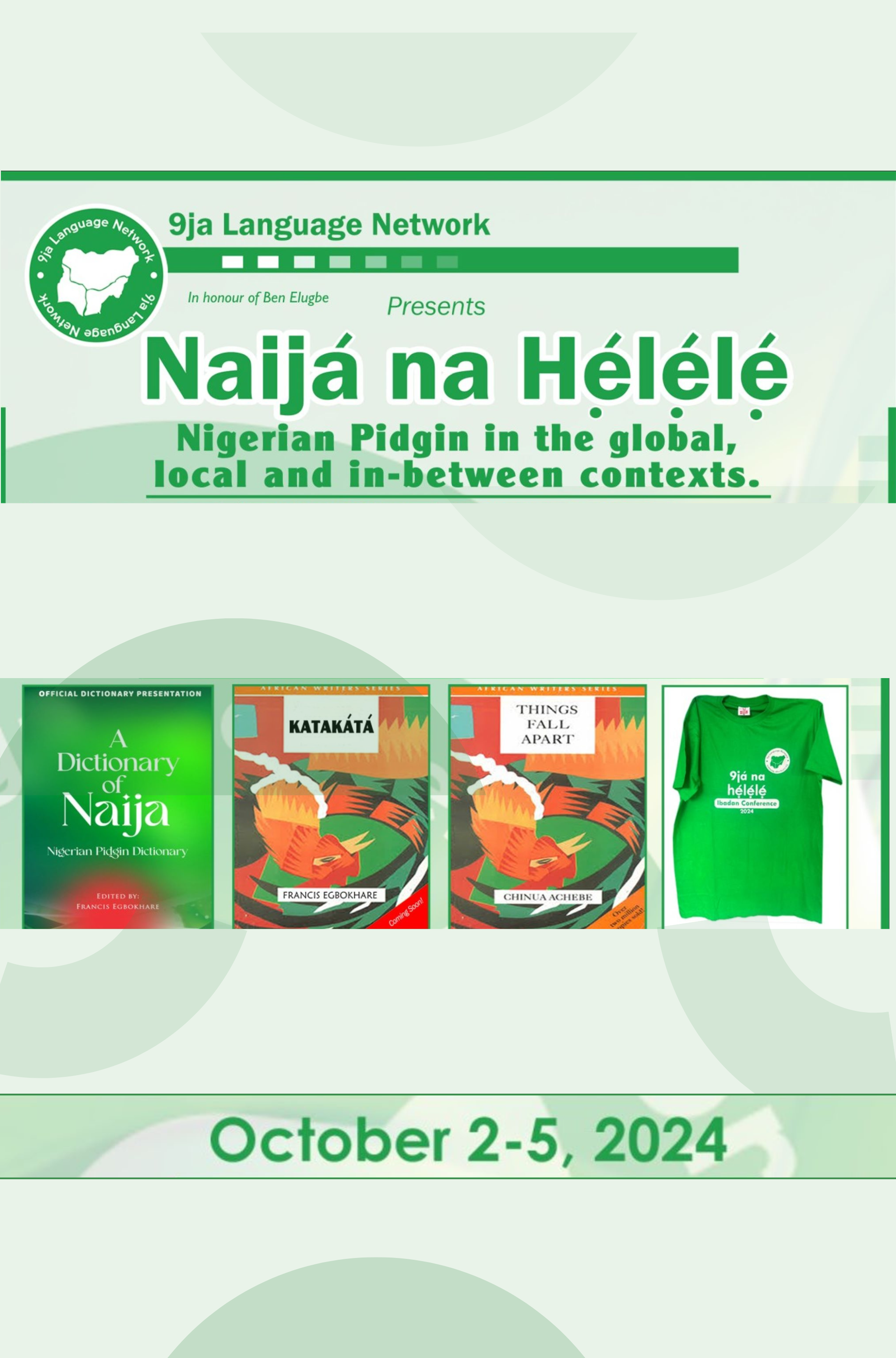
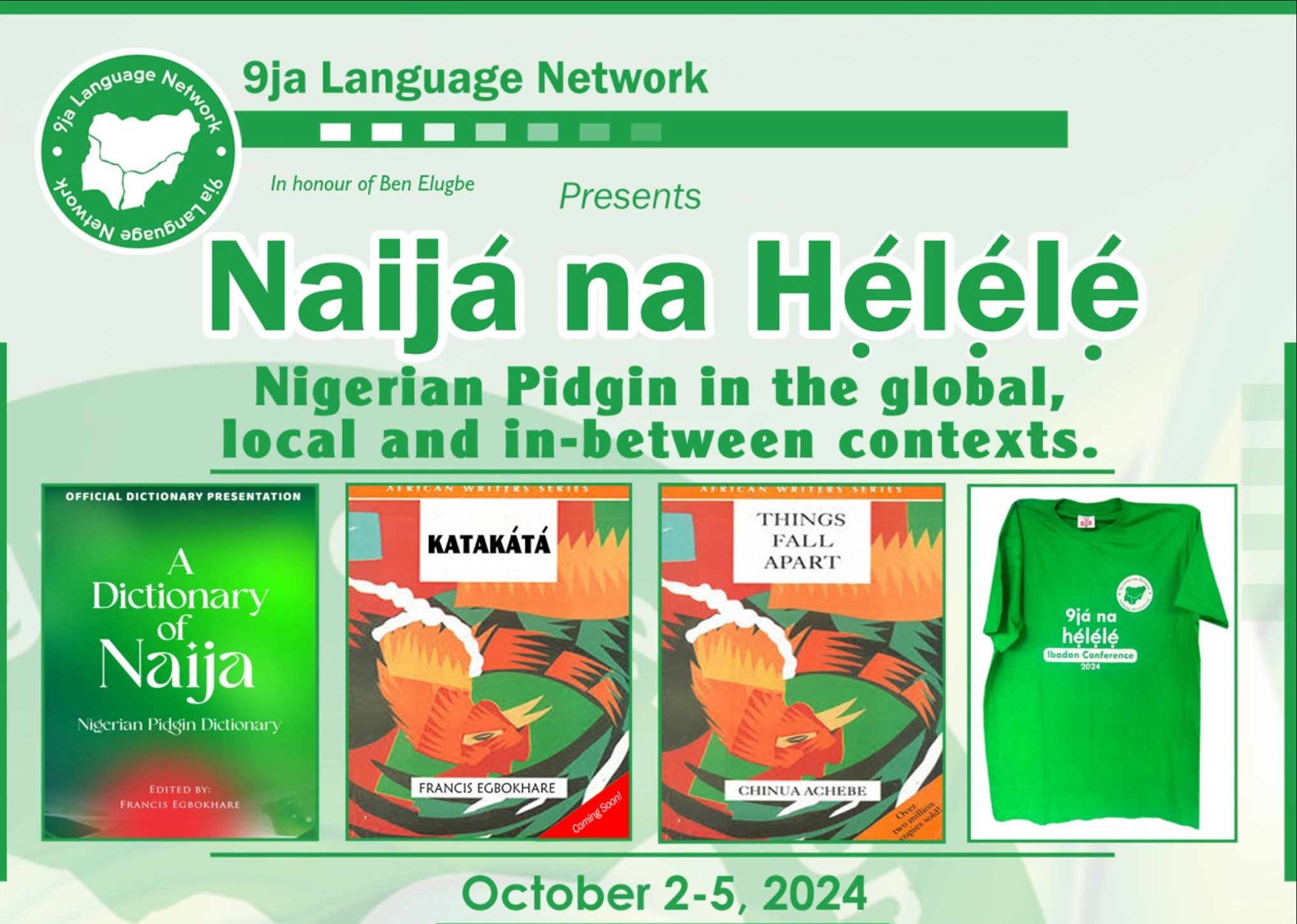 Between the 2nd and 5th of October the 9ja Language Network Conference took place at the Institute of African Studies of the University of Ibadan, IFRA-Nigeria is a sponsor of the event since many years. This conference was essential as Naijá (a.k.a. Nigerian Pidgin) has evolved over the last few decades to become the largest spoken and perhaps the most influential language in Nigeria. The current estimate of its speakers and users is placed at about 150 million with distribution across various continents.
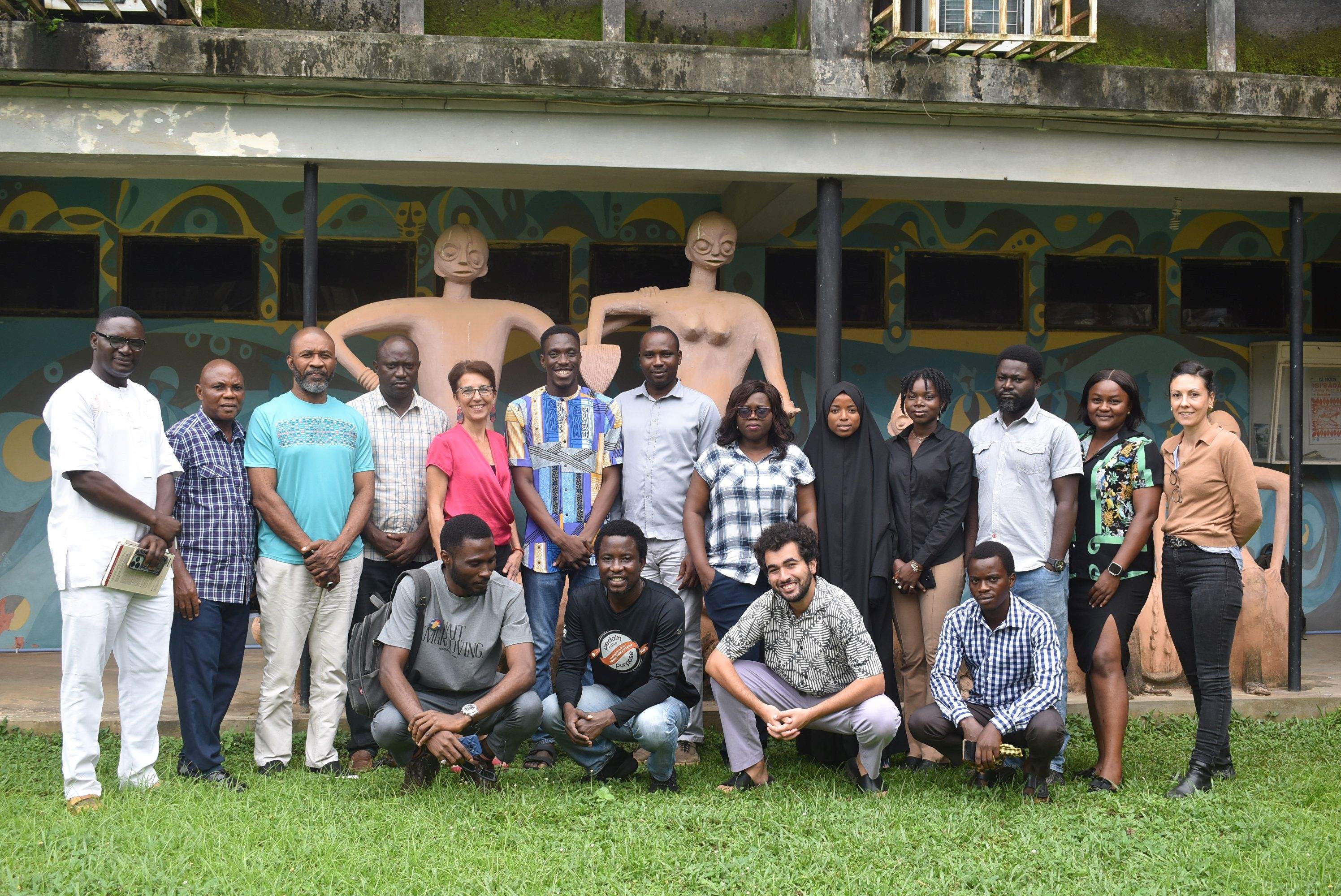 On the 17th of July, Bimbo Stanley Omopo a doctoral student in Anthropology at the University of St Andrews, presented the methods he mobilizes to investigate, inter alia, the profound presence of religious identities on the University of Ibadan campus, particularly through the religious organizations that exist, which to a considerable extent, can influence who becomes what, when, and how, especially as it relates to politics and administration amongst students and staff at the university, as well as the influence of religion on the everyday lives of students. Youssef Bouri, research project manager at IFRA-Nigeria, was his discussant during this presentation.